10 Simple Ways to Care for Your Dental Crown in 2026
Learn 10 simple, practical steps to protect your dental crown and keep your smile healthy for years to come in Ocoee, FL.
Key Takeaways
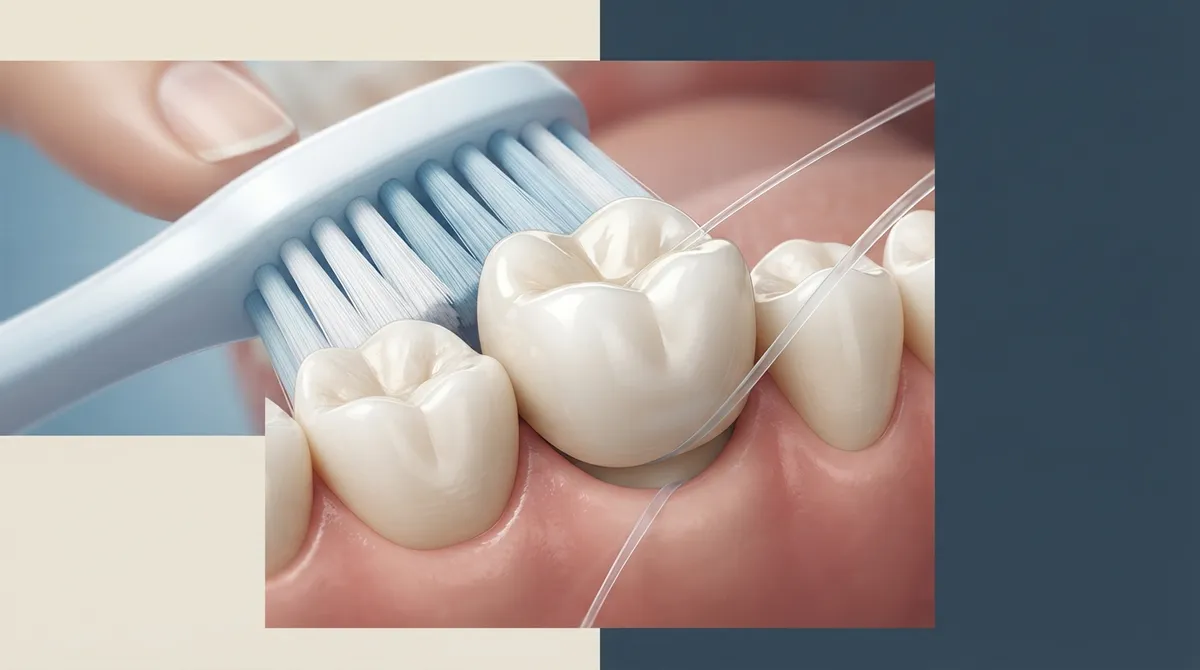
- Brush twice daily for two minutes with a soft-bristled toothbrush, paying extra attention to the gumline and where the crown meets your natural tooth, as plaque buildup there can cause decay underneath.
- Avoid chewing on hard items like ice, hard candies, and unpopped popcorn kernels, as sudden pressure can crack porcelain or ceramic crowns or damage the underlying tooth structure.
- Floss gently once daily by sliding the floss in slowly and pulling it out sideways rather than snapping upward, and consider waxed floss or water flossers if regular floss feels difficult.
- Schedule regular dental checkups so your dentist can monitor the crown margins, bite alignment, and gum health, since the crown material itself cannot decay but the natural tooth underneath absolutely can.
Just got a new dental crown? Congratulations! You have a strong, natural-looking tooth ready to help you chew, smile, and speak with confidence. But here is the thing: a crown is not a "set it and forget it" fix. It needs a little love to last as long as possible. The good news? Caring for a dental crown is simple once you know the basics.
At Charming Smiles of Ocoee, we place a lot of crowns and bridges for patients across Ocoee, Florida. We also see what happens when crowns are neglected. The good news is that with a few easy habits, your crown can serve you well for many years. Cleveland Clinic notes that dental crowns commonly last around 5 to 15 years with proper care, and some last even longer. This guide walks you through 10 easy, practical steps to protect your investment and keep your smile healthy.
1. Brush Twice a Day the Right Way
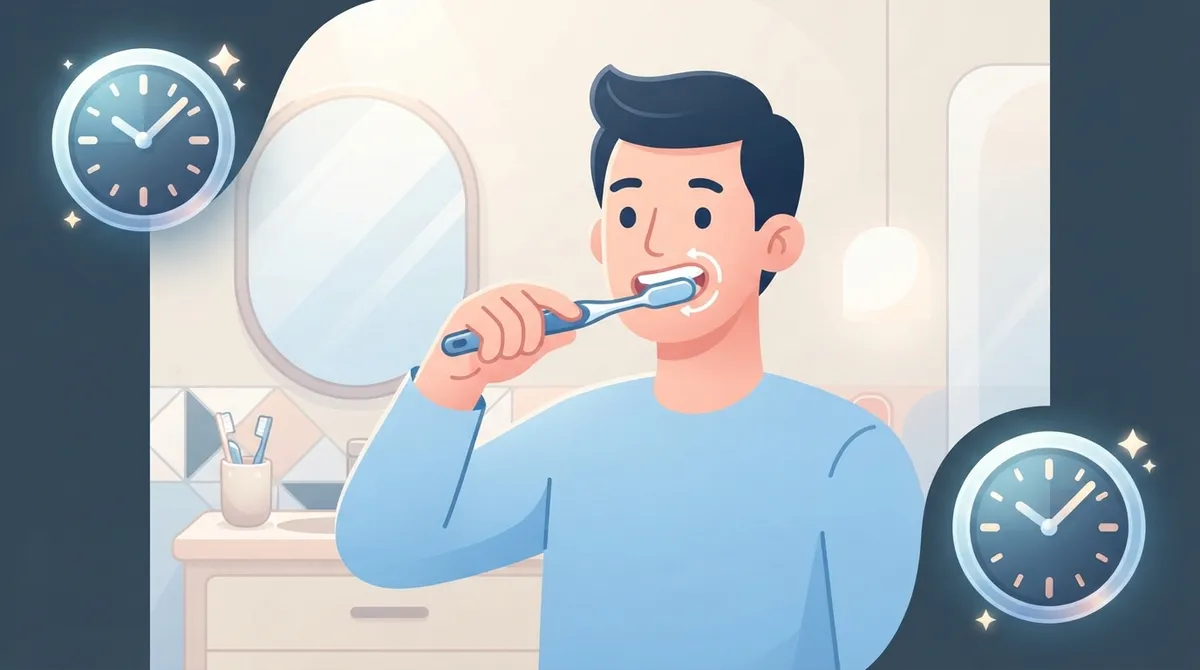
This one sounds obvious, but technique matters. Brush your crowned tooth just like your natural teeth, twice daily for two full minutes. Use a soft-bristled toothbrush and fluoride toothpaste. The American Dental Association recommends this routine for everyone, crown or no crown.
Pay extra attention to the gumline and the spot where the crown meets your natural tooth. This is where plaque loves to hide. A buildup here can lead to decay in the tooth underneath your crown, even though the crown material itself cannot get a cavity.
2. Floss Gently Every Day
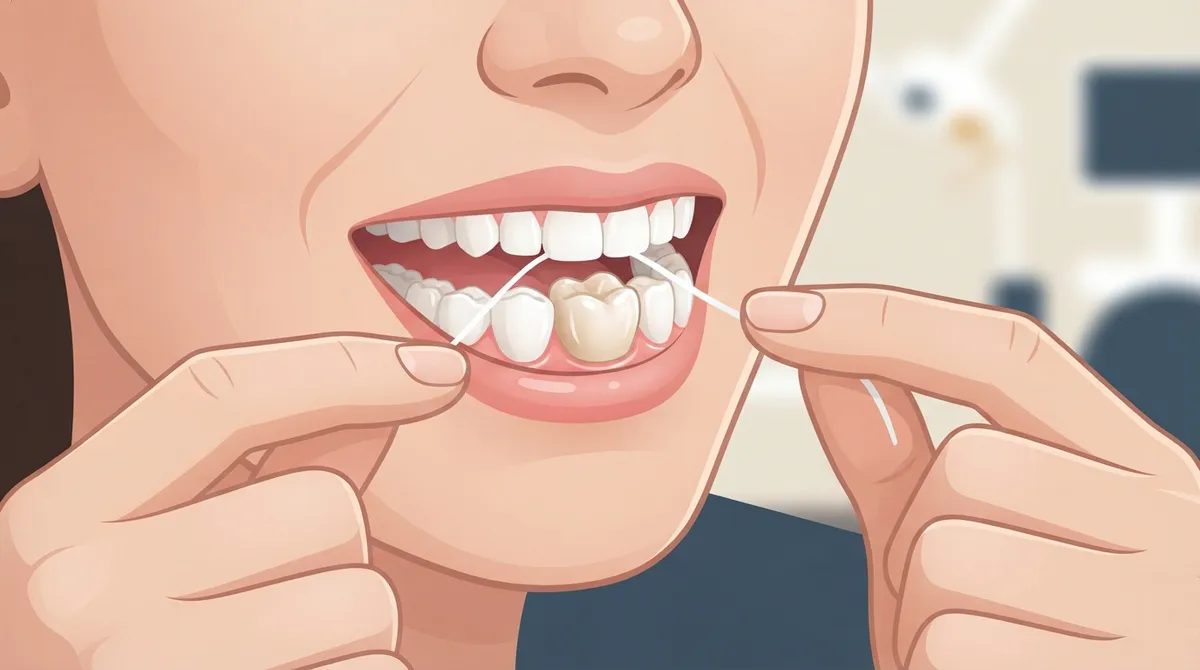
Flossing around a crown is a little different than flossing a natural tooth. You want to be gentle. Do not snap the floss down hard or yank it upward. This can loosen the crown or irritate your gums.
Slide the floss in slowly, curve it around the tooth, and pull it out from the side instead of straight up. If regular floss feels tricky, ask your hygienist about these easier options:
- Waxed floss that slides smoothly without shredding
- Interdental brushes for wider gaps
- Floss picks for quick, one-handed use
- Water flossers for a gentle rinse-and-clean approach
Cleaning between your teeth once a day removes food particles and plaque that a toothbrush cannot reach.
3. Skip the Ice Chewing Habit
We get it. Chewing ice feels satisfying on a hot Florida day. But it is one of the worst things you can do to a crown. The sudden pressure can crack porcelain or ceramic crowns, or even damage the natural tooth structure underneath.
Other hard items to avoid biting down on include:
- Hard candies and lollipops
- Unpopped popcorn kernels
- Very hard nuts
- Pens, pencils, or fingernails
- Ice cubes from your drink
If you catch yourself chewing on these things out of habit, try swapping in sugar-free gum instead.
4. Watch Out for Sticky Foods
Caramel, taffy, and toffee are delicious, but they can be risky for a crown. Sticky foods can pull at the crown and loosen it, especially in the days and weeks right after placement. This is especially true for temporary crowns, which are not as strong as your permanent one.
Frequent sugary snacks and drinks are another concern. Sugar feeds the bacteria that cause decay, and that decay can sneak in right at the edge of your crown where it meets your natural tooth.
5. Give Your Mouth Time to Adjust
After getting a permanent crown, some mild soreness or sensitivity to hot and cold is normal for a short time. This usually fades within a few days. If your mouth is still numb from the anesthesia, wait until feeling returns before eating anything.
During this adjustment period, it helps to:
- Stick to soft foods like scrambled eggs, soup, or mashed potatoes
- Chew on the opposite side of your mouth for a few days
- Avoid very hot or very cold foods until sensitivity settles
If discomfort lingers longer than a week or gets worse, it is time to call your dentist.
6. Ask About a Night Guard If You Grind Your Teeth
Do you wake up with a sore jaw or headaches? You might be grinding your teeth at night without even knowing it. This habit, called bruxism, puts a lot of stress on crowns. Over time, it can crack, wear down, or loosen a crown much faster than normal use would.
A custom night guard is a simple, comfortable solution. It creates a cushion between your upper and lower teeth while you sleep. If you think you might be a grinder, mention it during your next visit for regular checkups so we can check for wear patterns and talk about options.
7. Keep Up with Regular Dental Visits
Your crown might look fine on the surface, but only a dentist can check what is happening underneath and around it. Regular exams let us catch small problems before they turn into big, expensive ones.
The Academy of General Dentistry recommends ongoing maintenance for crowns that includes professional exams, cleanings, and hygiene guidance. During your visit, we check:
| What We Check | Why It Matters |
|---|---|
| Crown margins | Catches early signs of decay at the edge |
| Bite alignment | Prevents uneven pressure that can crack the crown |
| Gum health | Spots inflammation or recession around the crown |
| Surface wear | Identifies cracks or thinning before they fail |
There is no single check-up schedule that fits everyone. Your recall interval depends on your risk for cavities and gum disease, your hygiene habits, and whether you grind your teeth. Our team at Charming Smiles of Ocoee will build a schedule that fits your needs, not a one-size-fits-all plan.
8. Know the Warning Signs of Trouble
Crowns are durable, but they are not invincible. Knowing what to watch for helps you catch problems early. Contact your dentist right away if you notice any of these signs:
- A crown that feels loose or wiggly
- Sharp edges you can feel with your tongue
- Persistent pain or sensitivity that does not go away
- A bad taste or odor coming from the crowned tooth
- Your bite feels uneven or off
- Visible cracks or chips
- The crown falls out completely
If your crown comes off, do not try to glue it back in place with household adhesive. Keep the crown safe, avoid chewing on that side, and call your dentist as soon as possible. Quick action often means an easier, less costly fix.
9. Remember That Decay Can Still Happen Nearby
Here is something a lot of patients do not realize: the crown itself cannot get a cavity. It is made of porcelain, ceramic, or metal, and those materials do not decay. However, the natural tooth structure underneath and around the crown absolutely can.
This is why good plaque control matters so much. Bacteria can sneak into the tiny space where the crown meets your tooth. Over time, this can lead to decay that is hidden from view until it becomes a bigger problem. Daily brushing, flossing, and fluoride exposure are your best defense against this hidden risk.
10. Follow Your Dentist's Specific Instructions
Every mouth is different, and so is every crown. Care recommendations can vary based on the crown material, whether it is temporary or permanent, and your personal risk factors like gum health, bite alignment, diet, and grinding habits.
This general guide is a great starting point, but your dentist's specific instructions always come first. Dr. Aliuska Lopez and the team at Charming Smiles of Ocoee take time to explain exactly what your crown needs based on your unique situation. That personalized approach is part of why so many families in Ocoee trust us with their smiles.
Why Ocoee Families Trust Charming Smiles for Crown Care
Getting a crown placed correctly matters just as much as caring for it afterward. Our spa-like office near Publix in Ocoee is designed to make every visit comfortable, even for patients who feel nervous about dental work. We offer soothing extras like aromatherapy, cozy blankets, and streaming entertainment to help you relax in the chair.
Curious what other patients think? You can visit us on Google to see reviews from Charming Smiles of Ocoee patients, or check out real smiles and updates on our Charming Smiles Facebook page and Charming Smiles Instagram page. We also make scheduling easy. You can book online whenever it fits your busy schedule.
If you are unsure whether your crown needs attention, or you are ready to get started with a new one, our team offers flexible insurance & financing options and a helpful dental savings plan to make care more affordable. Be sure to check our current specials too, since we regularly offer savings on exams, cosmetic consultations, and more.
Final Thoughts on Crown Care
Caring for a dental crown really comes down to the basics: brush well, floss gently, avoid hard and sticky foods, wear a night guard if needed, and see your dentist regularly. These small daily habits add up to years of confident smiling.
If something feels off with your crown, or if it has been a while since your last checkup, do not wait. Reach out to our friendly team today. You can call us at (407) 378-3704 or stop by our location in Ocoee. We are here to help your smile stay healthy, comfortable, and bright for years to come.
FAQs
Q: How should I brush and floss around a dental crown?
A: Brush twice a day for two minutes using a soft-bristled brush and fluoride toothpaste, paying close attention to the gumline. Floss once daily too, but be gentle and slide the floss out sideways instead of snapping it upward against the crown.
Q: Can a dental crown get a cavity underneath it?
A: The crown material itself cannot decay, but the natural tooth underneath and around the edges definitely can. That is why keeping the area clean with regular brushing, flossing, and dental visits is so important.
Q: How long does a dental crown last with proper care?
A: Most crowns last between 5 and 15 years, and some can last even longer with good habits. Things like your diet, whether you grind your teeth, and how well you keep up with cleanings all play a role.
Q: What should I do if my dental crown becomes loose or falls out?
A: Do not try to glue it back in yourself. Keep the crown safe, avoid chewing on that side of your mouth, and call your dentist right away so we can get you in for a quick, comfortable fix.
Q: Do I need a night guard if I grind my teeth with a dental crown?
A: Yes, we usually recommend one! Grinding puts a lot of extra pressure on crowns and can cause them to crack or wear down faster. A custom night guard protects your investment while you sleep.