5 Implant Care Instructions That Protect Your Smile
Discover 5 essential implant care instructions to protect healing, prevent infection, and keep your new smile strong for years to come.
Key Takeaways
- Avoid straws, smoking, and forceful spitting for at least 48-72 hours after surgery, as suction and nicotine significantly slow healing and increase infection risk.
- Use a soft-bristle toothbrush with low-abrasion toothpaste and add daily interdental cleaning with water flossers or implant-specific floss to prevent plaque buildup around the implant.
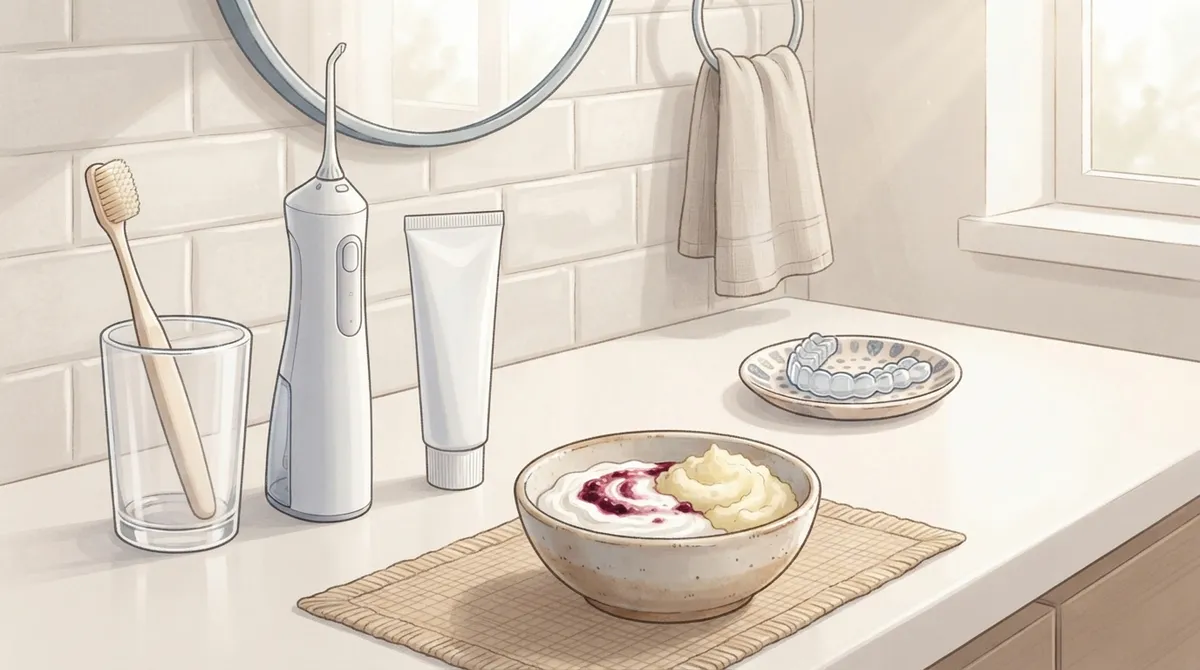
- Stick to soft foods like mashed potatoes, scrambled eggs, and yogurt for at least one week, and attend all scheduled follow-up appointments to catch complications early.
- Long-term implant success requires consistent habits: brush twice daily, floss daily, avoid tobacco, wear a nightguard if you grind teeth, and schedule professional cleanings every six months.
Getting a dental implant is exciting. It feels like getting your smile back for good. But here's the thing many patients don't realize: what you do in the days and weeks after surgery matters just as much as the procedure itself. Good implant care instructions are the secret sauce that turns a great procedure into a lifelong success story.
At Charming Smiles of Ocoee, we've helped countless patients in Ocoee, FL heal comfortably and confidently after dental implants. We know healing can feel a little confusing. That's why we're breaking down exactly what to do, step by step, so you can protect your investment and enjoy your new smile for years to come.
Whether you're a busy parent squeezing in appointments between school drop-offs, or you're finally treating yourself to the smile you've always wanted, this guide will walk you through everything. Let's get started.
Why Implant Care Instructions Matter So Much
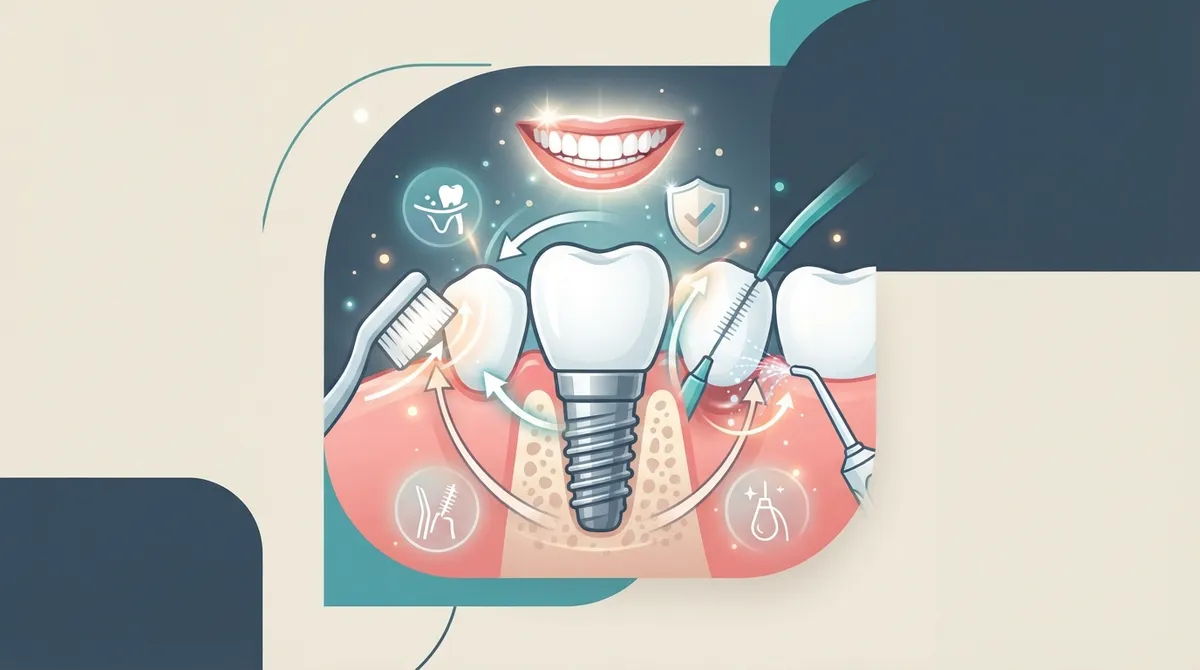
Dental implants are designed to fuse with your jawbone. This process is called osseointegration. It's basically your bone growing around the implant to hold it in place forever.
This healing process takes time. During those first few weeks, your body is doing important work. Following your implant care instructions helps that process go smoothly. Skip the instructions, and you risk infection, implant failure, or a longer, more uncomfortable recovery.
The good news? Most implant care instructions are simple. They just require a little patience and consistency.
5 Implant Care Instructions Every Patient Should Follow
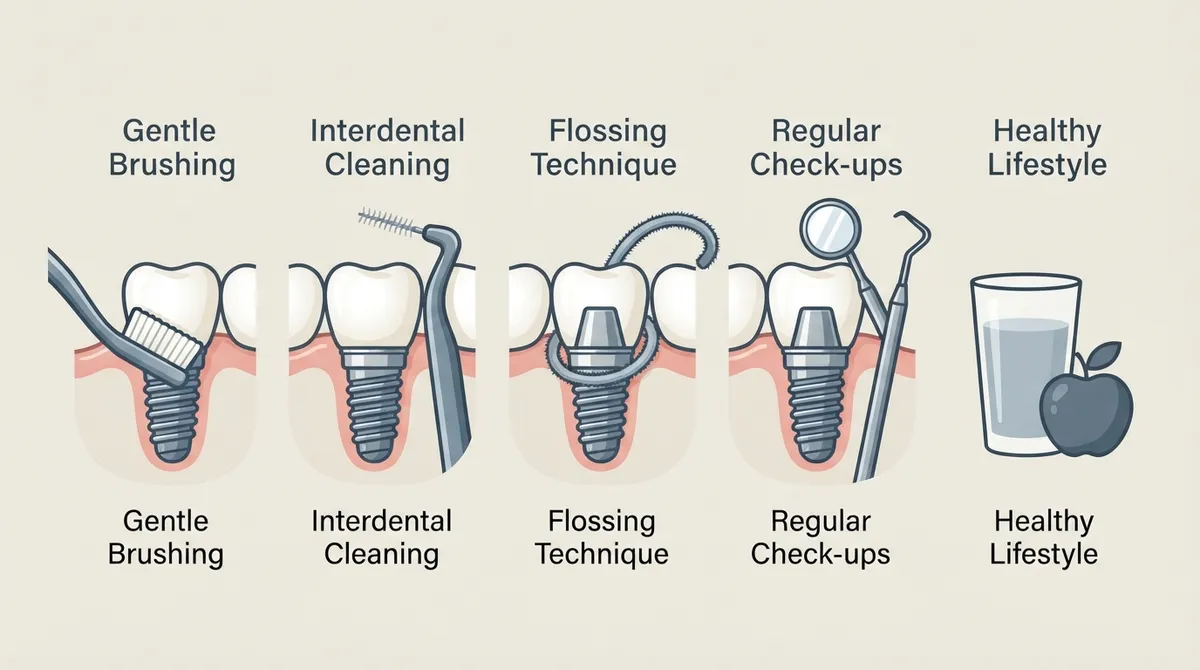
1. Keep the Implant Site Gently Clean
Once your dentist gives you the green light, gentle cleaning becomes your new best friend. Most patients are told to brush the implant area softly, often twice a day, using a soft-bristle or electric toothbrush.
Skip anything abrasive. Stiff bristles and harsh toothpaste can irritate healing gum tissue or scratch the implant surface. Instead, choose a low-abrasion toothpaste made for sensitive mouths or implants.
Here's a simple daily routine to follow:
- Brush gently around the implant area twice daily
- Use a soft-bristle or electric toothbrush
- Avoid whitening toothpastes with harsh abrasives during early healing
- Rinse gently, without vigorous swishing, for the first few days
2. Master Interdental Cleaning
Brushing alone doesn't remove everything. Plaque and food particles love to hide between teeth and around implant crowns. This is where interdental cleaning becomes essential.
Tools like implant-specific floss, small interdental brushes, or water flossers can reach spots your toothbrush simply can't. Many dental professionals recommend daily interdental cleaning as part of long-term implant maintenance, not just during healing.
If you're unsure which tool works best for your implant setup, our team can show you during your next visit. We often recommend water flossers because they're gentle yet effective, especially for patients managing multiple implants or a full denture -supported restoration.
3. Stick to Soft Foods During Early Healing
Nobody said healing had to be boring. But your implant site needs a break from tough, crunchy, or chewy foods for a while.
Most dental teams recommend soft foods for at least a week after implant placement. Some patients extend this based on their comfort level and healing progress. Think mashed potatoes, scrambled eggs, smoothies, yogurt, and soup.
Good soft food choices during recovery include:
- Mashed potatoes or sweet potatoes
- Scrambled eggs
- Yogurt and pudding
- Blended soups (not too hot)
- Smoothies (no straw!)
- Soft pasta dishes
Speaking of straws, that leads us to our next crucial tip.
4. Avoid Smoking, Straws, and Excessive Suction
This one surprises a lot of patients. Sucking motions, like drinking through a straw, can create pressure that disrupts healing tissue. The same goes for smoking, which also slows blood flow and increases infection risk.
Most guidelines suggest avoiding straws, spitting, and smoking for at least 48 to 72 hours after surgery, though many dentists recommend longer for smokers. Nicotine is one of the biggest risk factors for implant failure, so if you're a smoker, this is a great opportunity to cut back or quit entirely.
Other things to skip during early recovery:
- Straws and sports bottles that require suction
- Smoking or vaping
- Spitting forcefully
- Alcohol, which can interact with medications
- Hard, crunchy, or sticky foods
5. Keep Up With Professional Checkups
Even after your implant heals fully, it still needs regular monitoring. Think of it like a car. It runs great, but it still needs oil changes and tune-ups.
Professional cleanings help catch early signs of gum inflammation or plaque buildup around the implant, something called peri-implantitis. Left untreated, this condition can lead to implant failure. Routine visits let our team catch small issues before they become big, expensive problems.
We recommend scheduling regular checkups and cleanings so we can keep an eye on your implant, your gum health, and your overall smile.
Short-Term Recovery Tips After Implant Surgery
The first 48 to 72 hours after surgery are the most important. Here's what typically helps patients feel more comfortable:
| Recovery Step | Why It Helps | How Often |
|---|---|---|
| Ice packs | Reduces swelling and discomfort | 20 minutes on, 20 off, first 24-48 hours |
| Head elevation | Minimizes swelling and bleeding | While resting or sleeping |
| Saltwater rinses | Keeps the area clean, reduces bacteria | 2-4 times daily, starting 24-48 hours after surgery |
| Prescribed medication | Manages pain and prevents infection | Exactly as directed by your dentist |
Never skip prescribed antibiotics, even if you're feeling great. Finishing the full course helps prevent infection from creeping back in later.
Common Mistakes That Slow Down Healing
We've seen it all over the years. Here are the most common slip-ups patients make, and how to avoid them:
- Brushing too aggressively too soon after surgery
- Skipping interdental cleaning because it feels tricky at first
- Going back to crunchy or sticky foods too early
- Ignoring swelling or pain that gets worse instead of better
- Missing follow-up appointments because they feel unnecessary
If any of these sound familiar, don't worry. It's never too late to get back on track. Our team is always happy to review your dental implants care routine and adjust as needed.
Signs Something Might Be Wrong
Most implant recoveries go smoothly. But it helps to know the warning signs of trouble, just in case. Contact your dentist if you notice:
- Increasing pain instead of gradual improvement
- Persistent swelling beyond a few days
- Implant feels loose or wobbly
- Pus or bad taste near the implant site
- Fever or chills
If you experience any of these symptoms, don't wait it out. Reach out for emergency dentistry support right away. Catching problems early almost always leads to a better outcome.
Long-Term Implant Maintenance Habits
Once your implant has fully healed, your care routine becomes part of your everyday dental hygiene. Here's what long-term success looks like:
- Brushing twice daily with a soft-bristle brush
- Daily interdental cleaning with floss or a water flosser
- Avoiding tobacco products
- Wearing a nightguard if you grind your teeth
- Scheduling professional cleanings every six months
According to the American Dental Association, consistent oral hygiene combined with routine professional care is one of the biggest factors in long-term implant success. This aligns exactly with what we teach every patient at our Ocoee practice.
Why Ocoee Patients Trust Charming Smiles
We know dental care can feel intimidating, especially after surgery. That's why we've built our practice around comfort. From calming music to cozy blankets, we want every visit, including your implant follow-ups, to feel relaxed rather than stressful.
Dr. Aliuska Lopez and our team take pride in walking patients through every step of implant care, answering questions, and adjusting instructions based on your unique healing process. Many patients tell us they appreciate how thorough and patient-friendly our explanations are, something you can see reflected across our Charming Smiles of Ocoee Google reviews.
If you're exploring implants for the first time, check out our guide on common dental implant mistakes that could cost you thousands. It's a great companion resource to this care guide.
Making Implant Care Part of Your Routine
The best implant care instructions aren't complicated. They just need consistency. Think of it like brushing your teeth every day. It becomes second nature after a while.
Here's a simple way to build the habit:
- Set a reminder for twice-daily brushing and interdental cleaning
- Keep saltwater rinse supplies handy during early healing
- Stock your kitchen with soft foods for the first week
- Mark your calendar for follow-up and cleaning appointments
- Watch for warning signs and call your dentist with any concerns
Many of our patients also follow our office on social media for helpful reminders and smile tips. You can find us on the Charming Smiles Facebook page or the Charming Smiles Instagram page for more oral health inspiration.
Ready to Take the Next Step?
Whether you're considering implants for the first time or you're already on your healing journey, our Ocoee team is here to support you every step of the way. We offer a free dental implant consultation, flexible insurance and financing options, and a spa-like environment designed to make even implant surgery feel manageable.
Ready to get expert guidance on implant care instructions or curious if implants are right for you? You can book online today, or simply call us at (407) 378-3704 to speak with our friendly team. We can't wait to help you protect your smile and keep it shining for years to come.
FAQs
Q: How do you clean dental implants after surgery?
A: Once your dentist gives the okay, gently brush the implant area twice a day with a soft-bristle or electric toothbrush. Avoid abrasive toothpaste, and add interdental cleaning with floss or a water flosser to keep the area free of plaque and debris.
Q: What foods can you eat after dental implant placement?
A: Soft foods are your best friend for at least the first week. Think mashed potatoes, scrambled eggs, yogurt, and smoothies (no straw!). As healing progresses, you can slowly reintroduce firmer foods.
Q: What should you avoid after getting a dental implant?
A: Skip straws, smoking, and vigorous rinsing for at least 48 to 72 hours, since suction and tobacco can slow healing. It's also smart to avoid crunchy, sticky, or hard foods until your dentist gives you the green light.
Q: How often should dental implants be professionally cleaned?
A: Most patients benefit from professional cleanings every six months, just like natural teeth. This helps catch early signs of gum inflammation or plaque buildup before they become bigger problems.
Q: What are the signs that a dental implant is failing?
A: Watch for increasing pain, ongoing swelling, a loose or wobbly implant, pus, or bad taste near the site. If you notice any of these, reach out to your dentist right away for a prompt evaluation.