Are Snap-In Dentures Worth It? A 2026 Guide
Wondering if snap-in dentures are worth it? Learn how they work, what they cost, the pros and cons, and who they suit best in 2026.
Key Takeaways
- Snap-in dentures attach to dental implants with connectors that click into place, giving far more stability than suction or adhesive used by regular dentures.
- Treatment usually requires implant surgery and roughly 3 to 4 months of healing for simple cases, and extractions or bone grafting can extend that timeline.
- Typical costs vary widely, so ask for an itemized treatment plan that shows implants, surgery, denture materials, and follow-up care separately before comparing quotes.
- Lower dentures often need two implants, while upper dentures frequently need four or more because the upper jaw bone is typically softer.
- Good candidates have enough healthy jawbone or are open to grafting, healthy gums, and no uncontrolled risk factors like smoking or uncontrolled diabetes.
- Daily care is simple: remove and rinse after meals, clean the denture with a soft brush and denture cleaner, and clean around the implant posts and gums.
If your dentures slip when you laugh, shift when you chew, or leave you nervous at dinner parties, you are not alone. Many people in Ocoee and beyond ask the same big question: are snap in dentures worth it? It is a fair thing to wonder, because snap-in dentures cost more than regular ones and involve a short surgery.
The good news is that this guide breaks it all down in plain language. You will learn what snap-in dentures are, how they work, what they cost, and who tends to love them. You will also see the downsides, because an honest answer needs both sides.
Think of this as a friendly chat before your consultation. By the end, you will know what questions to ask and how to decide if this option fits your life, your health, and your budget.
What Are Snap-In Dentures?
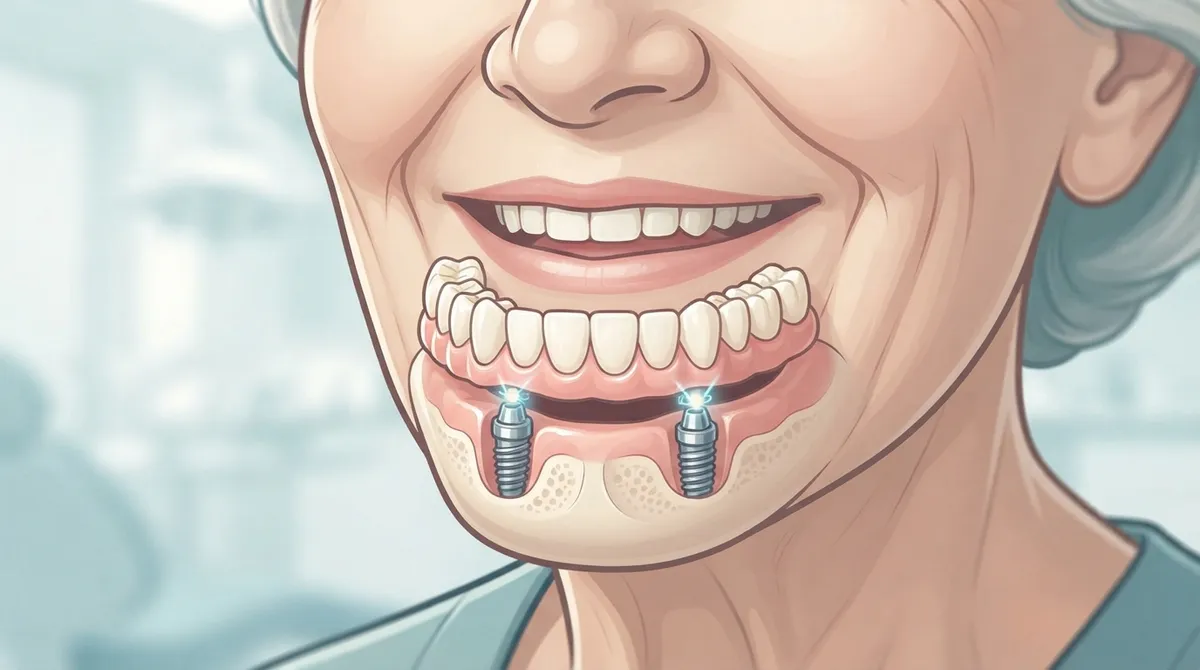
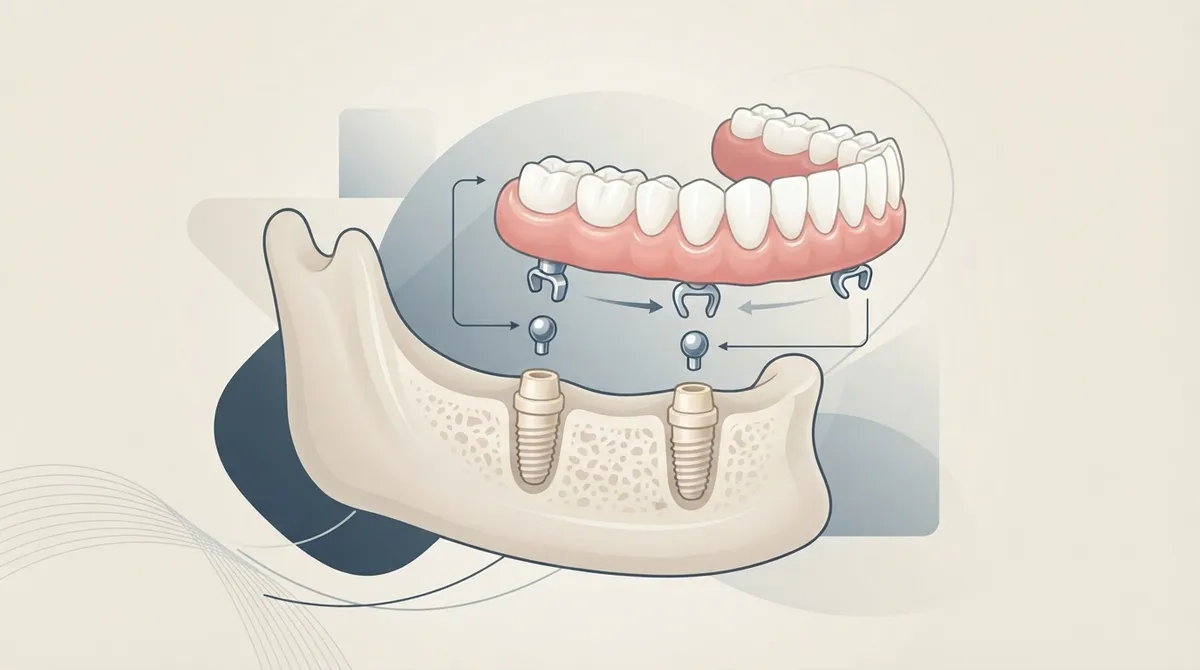
Snap-in dentures are removable full dentures that attach to dental implants in your jaw. Small connectors in the denture click onto the implants. That click, or "snap," gives the denture more grip than suction or adhesive can offer.
Dentists often call them implant-retained overdentures. The name is long, but the idea is simple. Implants act like anchors, and the denture rests on your gums while locking onto those anchors.
It helps to know what snap-in dentures are not. They are not the same as fixed, non-removable full-arch implant teeth. You can take snap-in dentures out at night and for cleaning. Fixed options stay in place.
How They Differ From Regular Dentures
Regular dentures rest on the gums and rely on suction, fit, and sometimes adhesive. Over time, the jaw changes shape, and the fit can loosen. Snap-in dentures add implant support, so they usually feel steadier during talking and chewing.
If you want a closer look at the basics, our dentures page explains the options we offer.
How Do Snap-In Dentures Work?
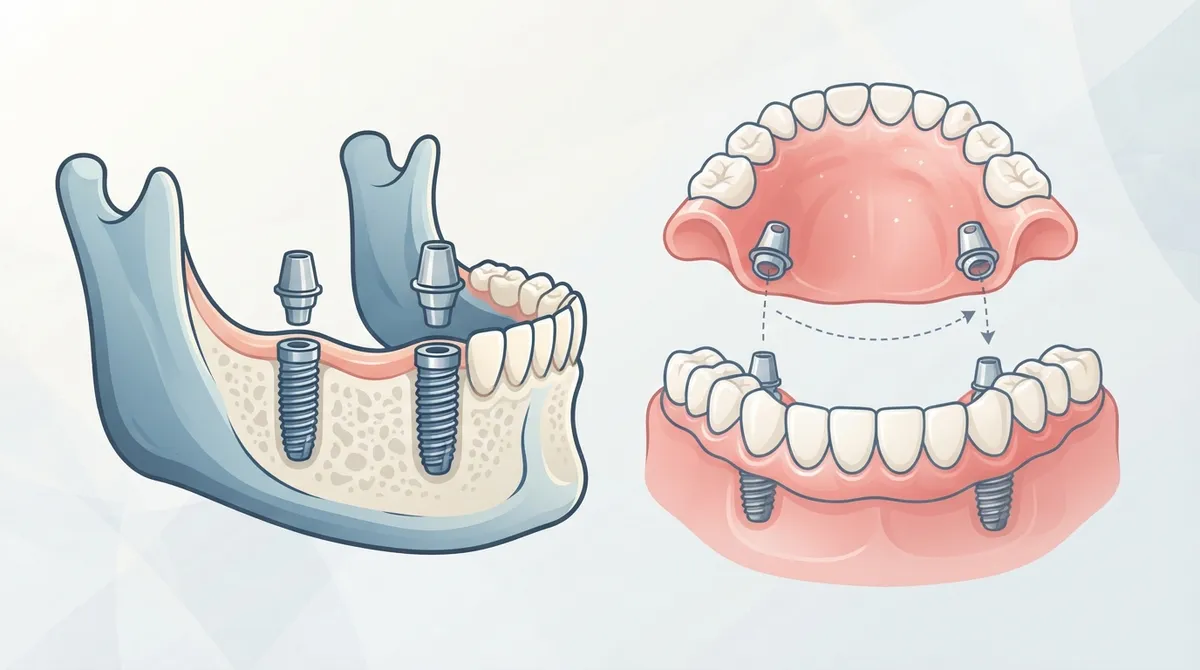
The process mixes minor surgery with careful denture design. Your dentist places implants in your jawbone. After healing, special attachments connect the implants to your denture.
Here is the general path most patients follow:
- Consultation and imaging. Your dentist checks your gums, bone, and overall health. X-rays or 3D scans show whether your jaw can support implants.
- Treatment planning. You get a written plan that lists the number of implants, the type of denture, and the costs.
- Extractions or bone grafting, if needed. Some patients need teeth removed or extra bone added first. This adds time and cost.
- Implant placement. The implants go into the jaw during a short procedure.
- Healing. The implants fuse with your bone, which takes several months.
- Attachments and final denture. Your dentist fits the connectors and delivers a denture that snaps into place.
A 2025 clinical guide from Straumann notes that straightforward overdenture treatment generally takes about 3 to 4 months from implant placement to delivery. Your own timeline may be shorter or longer, depending on healing and any extra procedures.
How Many Implants Do You Need?
A common setup uses two implants for a lower denture. Upper dentures often need more, sometimes four or more, because the upper jaw bone is softer. Your dentist decides the number after an exam and imaging, so avoid guessing from online charts.
The Biggest Benefits of Snap-In Dentures
People choose snap-in dentures for one main reason: they want their denture to stop moving. But there are other perks too. Here are the benefits patients mention most.
- Better stability. Implant retention generally reduces slipping while you speak and chew.
- More confidence. You can laugh, talk, and smile without worrying about a slip.
- Improved comfort. Less rubbing on the gums can mean fewer sore spots.
- Easier cleaning. The denture comes out, so you can clean it and your gums with ease.
- More enjoyable meals. Many patients find chewing feels stronger and more natural.
The level of improvement varies from person to person. It depends on your denture design, where the implants sit, and your jaw anatomy. That is why a personal exam matters so much.
The Downsides to Think About
No treatment is perfect, and snap-in dentures are no exception. Let us look at the tradeoffs with open eyes.
- Higher upfront cost. They cost more than conventional dentures because of the implants and surgery.
- Surgery and recovery. You will need a short healing period, and some swelling or soreness is normal.
- Possible grafting. If your jaw has lost bone, you may need a graft, which adds time and expense.
- Ongoing maintenance. The small snap parts can wear out or loosen and may need adjusting or replacing.
- Medical risks. Rare problems include infection, implant failure, nerve or sinus irritation, and inflammation around the implants.
Good oral hygiene and regular checkups lower many of these risks. Our team can walk you through each one during your visit, so nothing feels like a surprise.
How Much Do Snap-In Dentures Cost?
Cost is where most people want clear numbers, but the honest answer is that prices vary a lot. Location, implant count, grafting, extractions, denture materials, and included follow-up care all change the total.
Here is a quick look at published estimates. These sources measure different things, so they are not directly comparable.
| Source | Reported Average | Reported Range |
|---|---|---|
| CareCredit (overdentures, 2024 article) | $3,136 | $2,436–$6,014 |
| CareCredit (snap-on, implant-retained dentures) | $2,540 | $1,886–$4,124 |
| Other provider and cost guides | Varies | About $5,000–$10,000, or low five figures per arch |
Notice how wide those ranges are. Some figures may describe only the denture itself, not the implants, surgery, and related care. That is why you should always ask for an itemized treatment plan that shows every step and fee.
Ways to Make Treatment Fit Your Budget
Cost does not have to be a roadblock. Many patients use a mix of tools to spread out payments. You can explore our insurance and financing options, review our payment plans, or look into our dental savings plan. It is also smart to check our current specials, since we often offer free implant consultations.
Snap-In vs. Regular Dentures: Quick Comparison
A side-by-side look can make the choice clearer. Here is how the two options stack up on the things people care about most.
| Factor | Snap-In Dentures | Regular Dentures |
|---|---|---|
| Stability | Locks onto implants | Relies on suction and fit |
| Upfront cost | Higher | Lower |
| Surgery needed | Yes, for implants | No |
| Treatment time | Several months | Usually shorter |
| Removable | Yes | Yes |
| Upkeep | Care for implants and snap parts | Relines and adjustments over time |
Neither option is automatically better. The right pick depends on your health, your goals, and what you are comfortable with.
Who Is a Good Candidate?
Snap-in dentures can be a great fit if you have a full set of missing teeth, or teeth that need to come out, and you are tired of a loose denture. You also need enough healthy bone, or be open to grafting, and healthy gums.
They tend to work well for seniors who want to keep eating the foods they love. They also suit adults who feel self-conscious about slipping dentures at work or social events. Our guide on dental care for seniors in Ocoee shares more about gentle, age-friendly care.
Certain health issues can affect healing. Smoking, uncontrolled diabetes, and some medicines may raise risks. Be open with your dentist about your health history so the plan is safe and realistic. If you are curious about how implants work in general, our dental implants page is a helpful starting point.
How to Care for Snap-In Dentures
Good habits keep your implants healthy and your denture fresh. The routine is simple, and it takes only a few minutes each day.
- Remove and rinse after meals. This clears away food and keeps your gums comfortable.
- Clean the denture daily. Use a soft brush and a cleaner made for dentures, not harsh toothpaste.
- Clean around the implants. Gently brush the gums and the implant posts so plaque does not build up.
- Give your gums a rest. Most dentists suggest taking the denture out at night, but follow your own dentist's advice.
- Keep your checkups. Regular visits let your dentist spot worn snap parts or early gum problems.
Avoiding common slip-ups also helps. Our post on denture care mistakes Ocoee patients must avoid covers the most frequent ones.
So, Are Snap-In Dentures Worth It?
Here is the honest takeaway. Snap-in dentures can be well worth it if a loose denture is hurting your comfort, your diet, or your confidence. The extra stability is the main reward, and many patients feel it is worth the investment.
On the other hand, conventional dentures may be a better match if surgery, cost, or ongoing upkeep worries you. Neither choice is wrong. The right answer is the one that fits your health and your life.
When you ask yourself, are snap in dentures worth it, focus on a few questions:
- How much does my current denture bother me day to day?
- Am I healthy enough for minor surgery and healing?
- Can I handle the cost, or can financing help?
- Am I ready for a simple daily cleaning routine?
If you answer yes to most of these, snap-in dentures deserve a serious look. A personal consultation and an itemized estimate will give you the clearest picture.
Take the Next Step With a Team That Cares
At Charming Smiles of Ocoee, Dr. Aliuska Lopez and our team offer gentle, personalized care in a calm, spa-like setting. If dental nerves have kept you away, we are happy to help you feel at ease. You can learn more about us and what to expect on your first visit.
You can also see what neighbors say by checking Visit us on Google — Charming Smiles of Ocoee, or follow along on the Charming Smiles Facebook page and the Charming Smiles Instagram page. When you are ready, book online for a visit, or call us at (407) 378-3704 to talk it through. You can also find our location at 315 West Rd, Ocoee, FL 34761.
FAQs
Q: Are snap-in dentures better than regular dentures?
A: For many people, yes, because implants give the denture extra grip so it slips less. But they cost more and need surgery, so regular dentures can still be the better pick for some patients. A quick exam will show which one suits you.
Q: How many implants are needed for snap-in dentures?
A: A lower denture often uses two implants, while an upper denture may need four or more. Your dentist sets the exact number after checking your jaw and imaging. Everyone's anatomy is a little different.
Q: How long does it take to get snap-in dentures?
A: Simple cases often take about 3 to 4 months from implant placement to the final denture. If you need extractions or bone grafting, it can take longer. Your dentist will share a timeline that fits your situation.
Q: Can you sleep with snap-in dentures in?
A: Most dentists suggest taking them out at night to rest your gums and keep things clean. Your own dentist may give slightly different advice based on your health. Always follow the plan made for you.
Q: What are the risks of snap-in dentures?
A: Possible risks include infection, implant failure, nerve or sinus irritation, and gum inflammation around the implants. The small snap parts can also wear and need replacing. Good home care and regular checkups help keep these risks low.