Can Veneers Fix Stained Teeth? What You Should Know
Wondering if veneers can fix stained teeth? Learn how they cover deep stains, when whitening works better, costs, care, and what to expect.
Key Takeaways
- Veneers can hide deep stains that whitening cannot lighten, such as medication-related, fluoride-related, trauma, or age-related discoloration, because they cover the tooth rather than bleach it.
- Veneers are permanent: placing them removes a small amount of enamel, so the treatment cannot be undone, and a dentist should evaluate the cause of staining first.
- Whitening suits surface stains from coffee, tea, and tobacco and is non-invasive, so it is often the better first step before considering veneers.
- Porcelain veneers resist staining better than natural enamel, but veneer edges, exposed natural tooth, and composite repairs can still discolor and need regular cleanings.
- Veneers cannot be whitened, so if you want brighter natural teeth, whiten first so the dentist can match the veneer shade to your new color.
- With good care, veneers typically last about 10 to 15 years; avoid ice chewing, use a night guard if you grind, and keep up with checkups.
You brush. You floss. You skip the second cup of coffee (okay, maybe not). And yet your smile still looks a little dull or yellow. If that sounds familiar, you are not alone, and you are probably wondering: can veneers fix stained teeth?
The short answer is yes. Veneers can cover many types of stains, including deep ones that whitening can't touch. But there is more to the story. Veneers are not a bleaching treatment. They hide the color instead of changing it. They also involve removing a little enamel, which means the choice is a big one.
In this friendly guide, we will walk through how veneers work on stained teeth, when whitening might be the better first step, what to expect with cost and care, and how to know if veneers are right for you. Whether you are a busy parent in Ocoee or someone dreaming about a brighter, more confident smile, you will leave with clear answers.
So, Can Veneers Fix Stained Teeth?
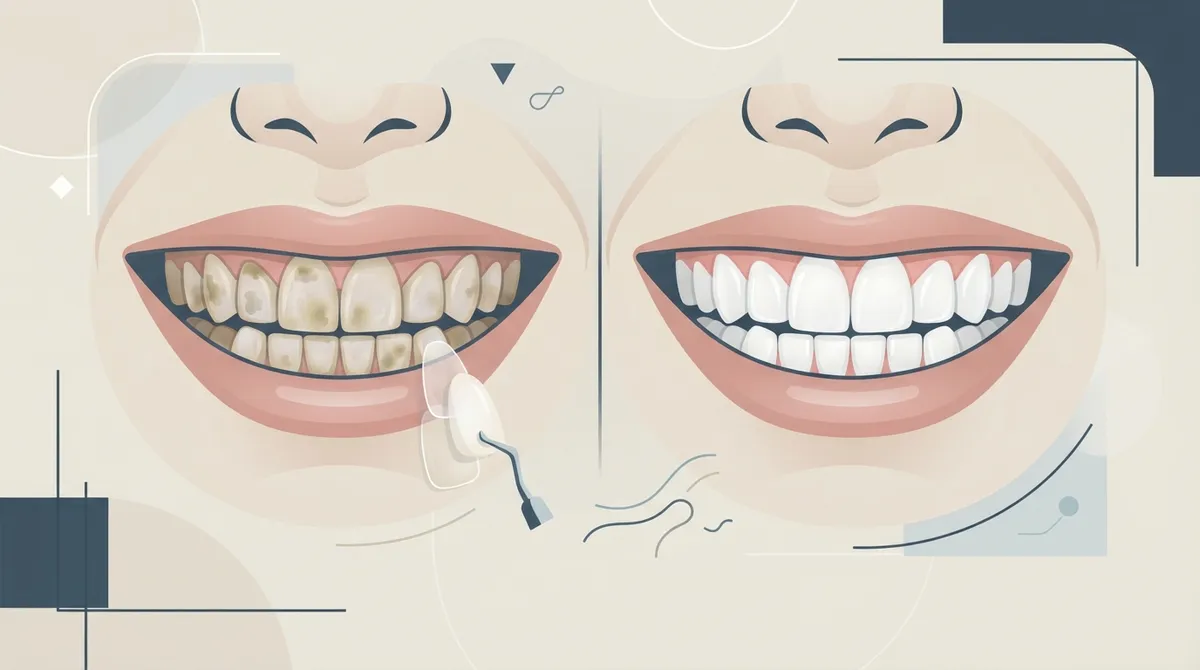
Yes, veneers can fix stained teeth by covering the front surface of each tooth. A veneer is a thin shell, usually made of porcelain, that is bonded to your tooth. Think of it like a fresh coat of paint over a stained wall. The color you see is the color of the veneer, not the stain underneath.
Dentists often consider veneers when discoloration is widespread or does not respond well to whitening. That includes stains from medications, certain health conditions, or tooth development. In these cases, a veneer can create an even, bright, natural-looking smile.
Here is the key point: veneers mask stains. They do not remove them. That is why a dentist should look at the cause of your staining first. If a simpler, less invasive option could work, you may want to try that before moving ahead.
Why Do Teeth Get Stained in the First Place?
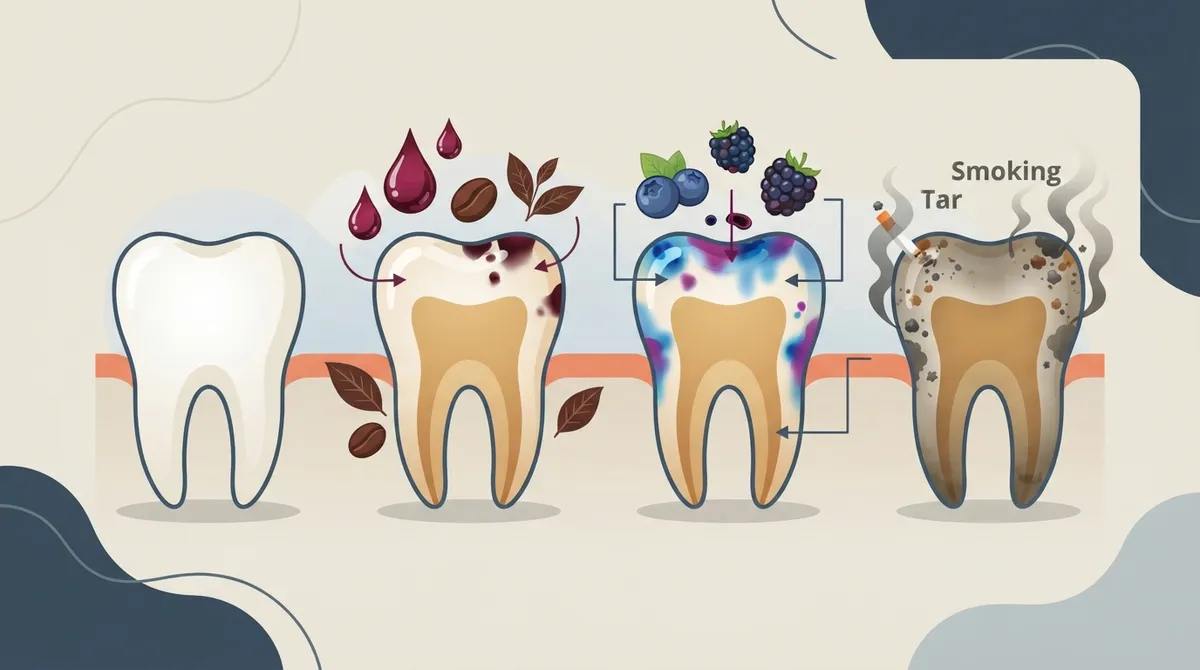
Not all stains are the same. Knowing the type helps you pick the right fix. Dentists usually sort stains into two groups.
Surface (Extrinsic) Stains
These sit on the outside of your enamel. They come from everyday habits and foods. Common causes include:
- Coffee, tea, and red wine
- Dark sodas and sports drinks
- Tobacco use
- Berries, tomato sauce, and soy sauce
- Poor brushing or skipped cleanings
Surface stains usually respond well to professional cleaning and whitening.
Deep (Intrinsic) Stains
These form inside the tooth. They are tougher to treat. Common causes include:
- Certain medications taken during childhood
- Too much fluoride while teeth were forming
- Tooth injury or trauma
- Aging, as enamel thins and the inner layer shows through
- Developmental conditions
Whitening may only lighten some of these stains a little. That is where veneers often shine.
Veneers vs. Whitening: Which Is Better for Stains?
This is one of the most common questions we hear. The honest answer is that it depends on the stain. Whitening works best on surface stains. Veneers are often a better fit for deep or stubborn ones.
| Feature | Teeth Whitening | Porcelain Veneers |
|---|---|---|
| How it works | Lightens the natural tooth color | Covers the tooth with a new surface |
| Best for | Surface stains from food, drinks, and habits | Deep stains, uneven color, or widespread discoloration |
| Invasiveness | Non-invasive | Usually removes some enamel; irreversible |
| Typical lasting time | About 6 months to 3 years | About 5 to 15 years |
| Can fix shape or gaps? | No | Yes |
According to Cleveland Clinic, whitening results typically last about six months to three years, while veneers can last about five to 15 years depending on the care you give them. That longer lifespan is one reason many people choose veneers when whitening keeps fading.
If surface stains are your main concern, our teeth whitening services may be a gentle first step. If you want to learn how it all works, see 9 Teeth Whitening Truths That Will Transform Your Smile.
What Types of Stains Can Veneers Hide?
Veneers can cover a wide range of discoloration. They are often a smart option for:
- Medication-related stains: Some antibiotics taken in childhood can leave gray or brown marks inside the tooth.
- Fluorosis: White spots or brown streaks caused by too much fluoride during tooth growth.
- Trauma stains: A tooth that darkened after an injury.
- Old fillings or root canal darkening: Teeth that turn gray over time.
- Age-related yellowing: When enamel wears thin and the yellow layer underneath shows through.
Keep in mind that suitability depends on the tooth and how severe the stain is. Very dark teeth may need extra planning so the veneer looks bright and natural. A skilled cosmetic dentist can choose the right thickness and shade to block out the color underneath.
Will Veneers Stain Over Time?
Great news here. Porcelain veneers are generally more stain-resistant than natural enamel and composite resin. That means your morning coffee is far less likely to leave a mark on the veneer itself.
But there are a few things to watch:
- Veneer edges (margins) can discolor. The line where the veneer meets your natural tooth can pick up stains.
- Exposed natural tooth can still stain. If any of your natural tooth shows, it can change color.
- Composite repairs can darken. Bonding material is more porous than porcelain.
- Veneers can't be whitened. Ordinary whitening products only change natural teeth, not the veneer.
If you notice new discoloration near a veneer edge, have a dentist take a look. It may be the margin or the tooth underneath, not the porcelain surface.
Can You Whiten Teeth After Getting Veneers?
You can whiten your natural teeth, but you can't whiten the veneers. This is why shade planning matters so much.
If you want your natural teeth brighter too, whitening is typically done before your veneers are color-matched. That way, the dentist can match the veneers to your new, brighter shade. If you whiten later, your natural teeth could end up lighter than your veneers, and the difference would show.
Not sure about the order? A quick chat during your consultation can map out the plan. At Charming Smiles of Ocoee, we love helping patients think through the steps so there are no surprises. You can also explore 12 Things to Know About Professional Whitening in 2026 for more detail.
What Is the Veneer Process Like?
The process is easier than most people expect. Here is a simple look at the usual steps.
- Consultation and exam. Your dentist checks your teeth and gums, reviews your goals, and finds the cause of the stains.
- Treating any problems first. Cavities and gum disease need to be handled before veneers are placed.
- Smile planning. You and your dentist choose the shade, shape, and size. Some offices can even show a preview.
- Tooth preparation. A small amount of enamel is gently removed so the veneer sits flat and natural.
- Impressions or scans. These are sent to a lab to craft your custom veneers.
- Bonding. The veneers are checked, adjusted, and bonded to your teeth.
Many patients feel calm and comfortable throughout. Our team uses advanced technology and a spa-like setting to help even nervous patients relax. If dental fear holds you back, read How Can You Get Help With Dental Anxiety in Ocoee?
What Are the Downsides of Veneers?
We want you to have the full picture. Veneers are wonderful for the right person, but they are not perfect for everyone.
- They are irreversible. The American Dental Association notes that because enamel is removed, you can't undo the treatment.
- Sensitivity can happen. Some people feel temporary sensitivity to hot or cold.
- Veneers can chip or crack. Habits like chewing ice or biting hard objects raise the risk.
- They may need repair or replacement. Veneers typically last about 10 to 15 years with good care.
- Not ideal for everyone. Heavy grinding or clenching, a deep overbite, or other bite issues may make veneers less suitable or need extra planning.
This is why a thorough exam matters. If grinding is a concern, your dentist may suggest a night guard to protect your new smile.
Are You a Good Candidate for Veneers?
You may be a great candidate if you have:
- Stains that whitening can't fix or that keep coming back
- Healthy gums and no active decay
- Enough natural enamel to bond to
- A desire for a lasting, natural-looking result
- Willingness to follow good oral hygiene habits
You may want to wait or try another option if you have untreated gum disease, lots of decay, or a strong grinding habit that has not been managed. Your dentist can also talk about alternatives like whitening, bonding, or crowns.
Curious how veneers compare with other choices? Take a look at Veneers vs. Whitening: Which Cosmetic Fix Wins? and Porcelain vs. Composite: Which Veneers Look Real?
How to Care for Veneers So They Stay Bright
The good news is that veneer care is simple. A few easy habits go a long way:
- Brush twice a day with a soft brush and non-abrasive toothpaste.
- Floss daily to keep the edges clean and gums healthy.
- Keep your checkups and cleanings. Regular visits catch small problems early.
- Skip the ice chewing and don't use your teeth as tools.
- Wear a night guard if you grind your teeth.
- Limit heavy staining drinks, or rinse with water afterward.
For more tips, visit Dental Care for Veneers in Ocoee: Keep Your Smile Stunning.
What About Cost and Payment Options?
Cost is a real part of the decision, and we get it. Veneer pricing depends on the number of teeth, the material, and your treatment plan. You can learn more in Veneers Cost in Ocoee, FL: What You Need to Know.
The good news is that help is available. Charming Smiles of Ocoee offers payment plans and flexible financing options so you can spread out the cost. We also accept many major insurance plans, and you can learn about insurance & financing options or check our current specials, including a free cosmetic consultation. Our dental savings plan can also help with checkups and cleanings that keep your new smile healthy.
Why Choose Charming Smiles of Ocoee for Veneers?
Your smile is personal, and the right dentist makes all the difference. At Charming Smiles of Ocoee, Dr. Aliuska Lopez is known as a true smile expert. She is recognized for her skill, precision, and gentle, caring approach. Our team focuses on natural-looking results that fit your face and your personality, not a cookie-cutter look.
We also know that many people feel nervous about cosmetic work. That is why our office feels more like a spa than a clinic. You will find a calm, relaxing space and a team that listens. Want to learn more about us? Visit our about us page, or read about our Veneers and full range of cosmetic dentistry.
Not sure if you need veneers or something simpler? A quick consultation can give you answers. See what our neighbors are saying by reading reviews on our Visit us on Google — Charming Smiles of Ocoee listing, or follow along with smile transformations on our Charming Smiles Instagram page and Charming Smiles Facebook page.
Ready for a Brighter, More Confident Smile?
So, can veneers fix stained teeth? Yes, they can, especially when stains are deep or whitening has not given you the results you hoped for. They hide discoloration, give you a bright and even look, and can last a decade or more with good care. Just remember they are a permanent step, so it pays to start with a careful exam and a plan that fits you.
If you are ready to explore your options, we would love to meet you. You can book online in just a few minutes. Prefer to talk it through? Call us at (407) 378-3704, or find our location at 315 West Rd, Ocoee, FL 34761. Your best smile is closer than you think.
FAQs
Q: Can veneers cover yellow or deeply stained teeth?
A: Yes! Veneers cover the front of your teeth, so they can hide yellow, gray, or deeply stained spots that whitening can't lighten. Your dentist will pick a shade and thickness that blocks the color underneath for a natural, even look.
Q: Are veneers better than teeth whitening for stained teeth?
A: It depends on the stain. Whitening works well for surface stains from coffee, tea, and food, and it is non-invasive. Veneers are often a better fit for deep or stubborn stains, but they are permanent, so a dentist should check whether whitening could work first.
Q: Do porcelain veneers stain over time?
A: Porcelain is more stain-resistant than natural enamel and composite, so the veneer itself rarely stains. The edges, any exposed natural tooth, or composite repairs can still discolor, so regular cleanings and good brushing habits help keep everything bright.
Q: Are veneers permanent, and how long do they last?
A: Placing veneers usually removes a bit of enamel, so the treatment can't be undone. With good care, veneers typically last about 10 to 15 years, though some may need repair or replacement sooner if they chip or crack.
Q: Can you whiten teeth after getting veneers?
A: You can whiten your natural teeth, but whitening products won't change the veneers. If you want brighter natural teeth, it is best to whiten first so your dentist can match the veneer shade to your new color.