Dental Implants With Gum Disease: What to Know First
Learn how gum disease affects dental implant candidacy, what treatment comes first, and how Charming Smiles of Ocoee helps patients achieve lasting results.
Key Takeaways
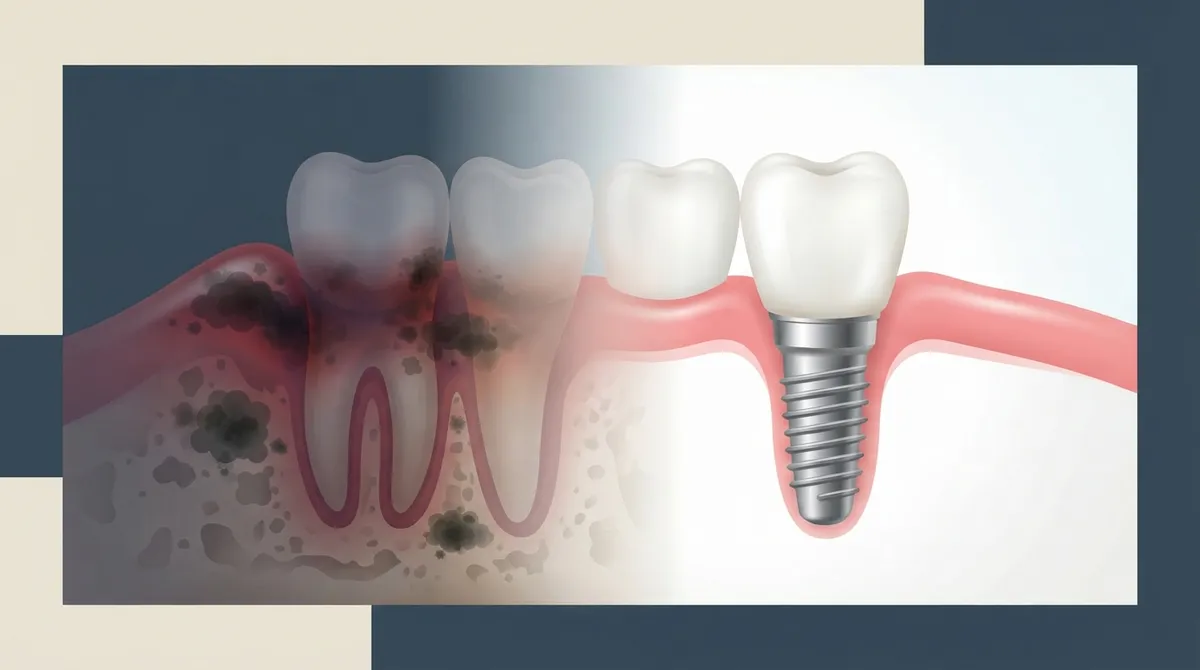
- Active gum disease must be treated before implant surgery because bacteria and inflammation interfere with healing and bone fusion; however, this is not permanent—once your gums are healthy, implants become a realistic option.
- Advanced periodontitis causes bone loss and gum recession that weaken implant support, so most patients need scaling, root planing, and possibly bone grafting before implant placement can safely proceed.
- Patients with a history of gum disease can achieve long-term implant success by attending frequent maintenance visits, practicing excellent daily hygiene, and catching early signs of peri-implantitis through routine checkups.
- Peri-implantitis (inflammation around implants) mirrors gum disease and is caused by the same bacteria, so strict post-implant maintenance and early detection during dental visits are critical to prevent implant failure.
If your gums bleed when you brush or your dentist has mentioned "gum disease," you might think dental implants are off the table. Here's the good news: that's not always true. Many patients with a history of gum disease go on to enjoy strong, healthy implants for years to come. The key is understanding what needs to happen first, and why treating your gums matters just as much as the implant surgery itself.
At Charming Smiles of Ocoee, Dr. Aliuska Lopez and her team see this question often. Patients want a permanent way to replace missing teeth, but they worry that gum disease will stand in their way. This guide breaks down exactly how gum disease affects your candidacy for dental implants, what treatment steps come first, and how to protect your investment for the long haul.
Can You Get Dental Implants With Gum Disease?
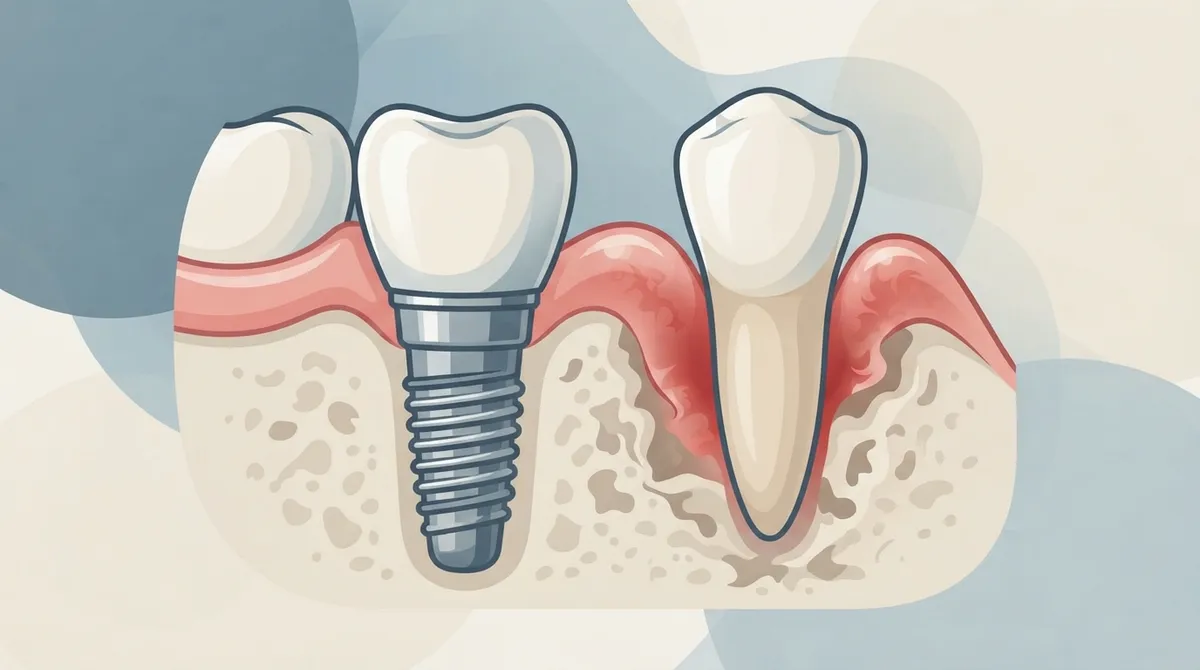
The short answer is: it depends on whether the disease is active or under control. Active gum disease, also called periodontitis, is generally not a good condition for implant surgery. Your dentist needs healthy gum tissue and stable bone to support the implant while it heals and fuses with your jaw, a process called osseointegration.
If you currently have swollen, bleeding, or infected gums, your dentist will likely recommend treating that first. Once your gums are calm and healthy, implants become a realistic option again. This is not a permanent "no"—it is simply a "not yet."
Why Active Infection Is a Problem
Placing an implant into infected or inflamed tissue raises the risk of failure. Bacteria from active gum disease can interfere with healing and may attack the bone around the new implant. That is why treatment planning almost always starts with getting the infection under control before any surgery is scheduled.
How Gum Disease Affects Your Jawbone and Gums
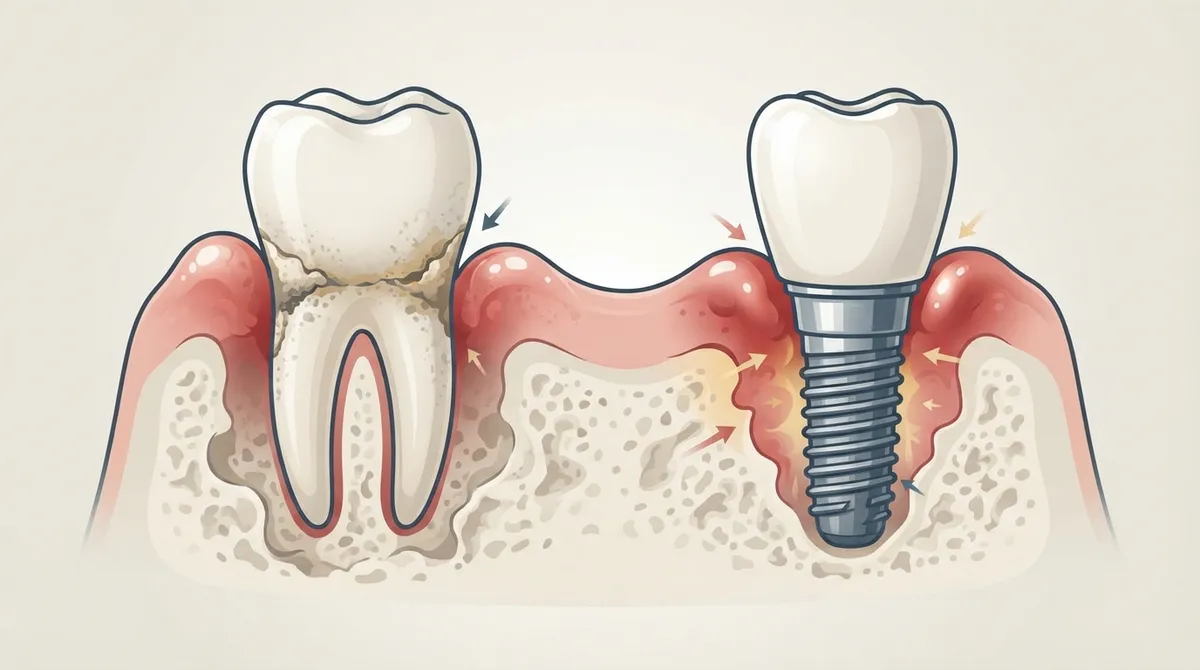
Advanced periodontal disease does more than irritate your gums. Over time, it can weaken both the soft tissue and the bone that holds your teeth in place. This bone loss is important because implants need enough solid bone to anchor into.
- Gum tissue can pull away from the teeth, creating pockets where bacteria hide
- Bone density and volume can shrink in areas affected by long-term infection
- Weakened support structures make implant placement less predictable without extra help
- Chronic inflammation can slow down natural healing after any dental procedure
- Left untreated, gum disease can eventually lead to tooth loss on its own
This is why many patients need periodontal services before implants are even discussed as a next step.
Steps to Prepare for Implants After Gum Disease
Getting ready for implants after gum disease usually follows a clear path. Here is what that process often looks like:
- Comprehensive evaluation: Your dentist examines your gums, takes X-rays, and checks bone density around the area needing an implant.
- Non-surgical periodontal therapy: Scaling and root planing (a deep cleaning below the gumline) is often the first step to remove bacteria and calm inflammation.
- Reassessment: After a few weeks, your dentist checks how your gums responded to treatment.
- Additional treatment if needed: Some patients need further periodontal care or even minor gum surgery to fully resolve the infection.
- Bone grafting, if necessary: If gum disease caused significant bone loss, a bone graft may be needed to rebuild a stable foundation.
- Healing period: Your body needs time to recover before implant placement can safely move forward.
- Implant placement: Once your mouth is healthy and stable, your dentist can proceed with the implant procedure.
- Long-term maintenance: Regular checkups and excellent home care help protect your implant for years to come.
This step-by-step approach protects your investment and gives your implant the best chance of lasting success.
What Is Peri-Implantitis?
Peri-implantitis is a condition similar to gum disease, but it affects the tissue around an implant instead of a natural tooth. It causes inflammation and, if untreated, progressive bone loss around the implant. This is one reason dentists are cautious about placing implants in patients with unresolved gum disease—the same bacteria that caused problems before can affect implants too.
The good news is that peri-implantitis is manageable when caught early. Routine visits allow your dental team to spot early signs of inflammation before they turn into bigger problems.
Gum Disease vs. Peri-Implantitis: Key Differences
| Feature | Gum Disease (Periodontitis) | Peri-Implantitis |
|---|---|---|
| Affects | Natural teeth and surrounding gum tissue | Tissue and bone around dental implants |
| Cause | Bacterial plaque buildup over time | Bacterial buildup around implant surfaces |
| Main Risk | Tooth loss, bone loss | Implant failure, bone loss around implant |
| Treatment | Scaling, root planing, periodontal therapy | Deep cleaning, sometimes surgical intervention |
| Prevention | Regular cleanings, good home care | Regular maintenance visits, excellent hygiene |
Can Implants Still Succeed With a History of Periodontitis?
Yes, they absolutely can. Many patients with a past history of gum disease enjoy long-term implant success. A well-known case report followed a patient with chronic periodontitis for 10 years after implant placement, and the implants remained stable thanks to consistent, short-interval recall visits with their dental team.
The takeaway here is simple: your history does not have to define your future. What matters most is how well the disease is controlled now and how committed you are to ongoing care afterward.
Long-Term Maintenance for Implant Success
Getting the implant placed is a big milestone, but the work does not stop there. Here are the habits that help protect your smile for the long run:
- Brush twice daily with a soft-bristle brush around the implant area
- Floss daily, using tools designed for implants if recommended by your dentist
- Attend all scheduled maintenance visits, even if nothing feels wrong
- Avoid smoking, which slows healing and raises implant failure risk
- Tell your dental team right away if you notice swelling, bleeding, or discomfort
- Keep up with routine regular checkups so small issues get caught early
Patients who had gum disease in the past usually need more frequent maintenance visits than average. This extra attention is not a punishment—it is simply smart prevention that keeps your implant healthy for many years.
Why Choose Charming Smiles of Ocoee for Implant Care
Every patient's mouth tells a different story. That is why Dr. Lopez and her team take time to fully evaluate your gum health before recommending any treatment plan. Whether you need periodontal therapy first or you are ready for an implant consultation, our office tour shows the calm, spa-like setting designed to ease dental anxiety every step of the way.
We also offer a free dental implant consultation and current specials including $200 off implant treatment, so cost does not have to be a barrier to a healthier smile. Flexible insurance & financing options and our dental savings plan make treatment more affordable for patients throughout Ocoee.
Curious what other patients say about their experience? You can visit us on Google — Charming Smiles of Ocoee to read real reviews, or follow along on our Charming Smiles Facebook page and Charming Smiles Instagram page for smile transformations and patient stories.
Signs You Should Ask About Implants and Gum Health
Not sure if this applies to you? Consider talking to your dentist if you notice any of the following:
- Gums that bleed easily during brushing or flossing
- Persistent bad breath that does not improve with brushing
- Teeth that feel loose or have shifted position
- Gum recession that makes teeth look longer than before
- A missing tooth you have been putting off replacing
According to the National Institute of Dental and Craniofacial Research, gum disease is very common among adults, which means many implant candidates need periodontal treatment first. This is completely normal, and it does not mean implants are out of reach for you.
What to Expect at Your Consultation
Your first visit focuses on gathering information, not jumping straight to surgery. Expect these steps:
- A full review of your dental and medical history
- Digital X-rays to check bone levels and detect hidden problems
- A gum health assessment, including pocket depth measurements
- An honest conversation about your treatment timeline and options
- A personalized plan that may include periodontal therapy before implants
This process protects you from rushing into surgery before your mouth is truly ready. For a closer look at what happens during a first appointment, check out our guide on your first visit.
Ready to Take the Next Step?
Gum disease does not have to be the end of your journey toward a complete, confident smile. With the right treatment plan, careful preparation, and consistent maintenance, dental implants can still be a safe and lasting solution. The team at Charming Smiles of Ocoee is here to guide you through every step, from initial gum therapy to final implant placement and beyond.
Ready to find out if implants are right for you? Call us at (407) 378-3704 to schedule your free implant consultation today, or stop by our location near Publix in Ocoee to meet Dr. Lopez and her caring team in person.
FAQs
Q: Can you get dental implants if you have gum disease?
A: It depends on whether the disease is active or controlled. Active gum disease usually needs treatment first, but once your gums are healthy and stable, implants can often move forward successfully.
Q: Do you need to treat periodontal disease before dental implants?
A: Yes, in almost all cases. Treating the infection first gives your gums and bone the best chance to heal properly and support a new implant for years to come.
Q: What is peri-implantitis and how is it different from gum disease?
A: Peri-implantitis is inflammation around an implant, while gum disease affects natural teeth. Both are caused by bacteria and can lead to bone loss, so regular checkups matter for both conditions.
Q: Is bone grafting needed if gum disease caused bone loss?
A: Sometimes, yes. If your jawbone has thinned due to past gum disease, a bone graft can rebuild a stable base before your implant is placed.
Q: Can people with a history of periodontitis keep dental implants long term?
A: Absolutely. Many patients with a past history of gum disease enjoy healthy implants for decades, especially when they keep up with regular maintenance visits and excellent home care.