How to Manage Invisalign Side Effects Like a Pro
Learn about common Invisalign side effects, how long they last, and how Charming Smiles of Ocoee helps patients manage treatment comfortably.

Key Takeaways
- Most Invisalign side effects are mild and temporary, with soreness typically peaking within 1-3 days of a new tray and fading by day 7 as your teeth settle into their new position.
- Switch to new aligners at night before bed so soreness peaks while you sleep, and use over-the-counter pain relief if needed to manage discomfort during treatment.
- Maintain strict oral hygiene by brushing and flossing before reinserting aligners after every meal to prevent cavities and gum disease, as food particles can trap under trays.
- Temporary speech changes like a slight lisp usually resolve within 1-2 weeks as your tongue adapts; reading aloud or practicing words can speed up this adjustment.
- Use dental wax on rough aligner edges and rinse with warm salt water to soothe gum, cheek, or tongue irritation; call your dentist if irritation doesn't improve after a few days.
- Contact your dentist immediately if you experience pain lasting over a week, signs of infection, swelling, rash, or any difficulty breathing, as these require professional evaluation.
So you're thinking about Invisalign, or maybe you already have your first set of trays in hand. That's exciting! But you might be wondering: what happens to my mouth once I start wearing these clear aligners? Good question. Almost every patient at Charming Smiles of Ocoee asks about Invisalign side effects before they begin treatment, and we love that they ask. Being prepared makes the whole journey smoother and way less stressful.
Here's the good news right up front: most Invisalign side effects are mild and temporary. Your teeth are moving, after all, so a little discomfort makes sense. In this guide, we'll walk through exactly what to expect, how long side effects usually last, and when something might need a dentist's attention. Whether you're a teen getting your first aligners or an adult finally fixing that smile you've wanted straighter for years, this article has you covered.
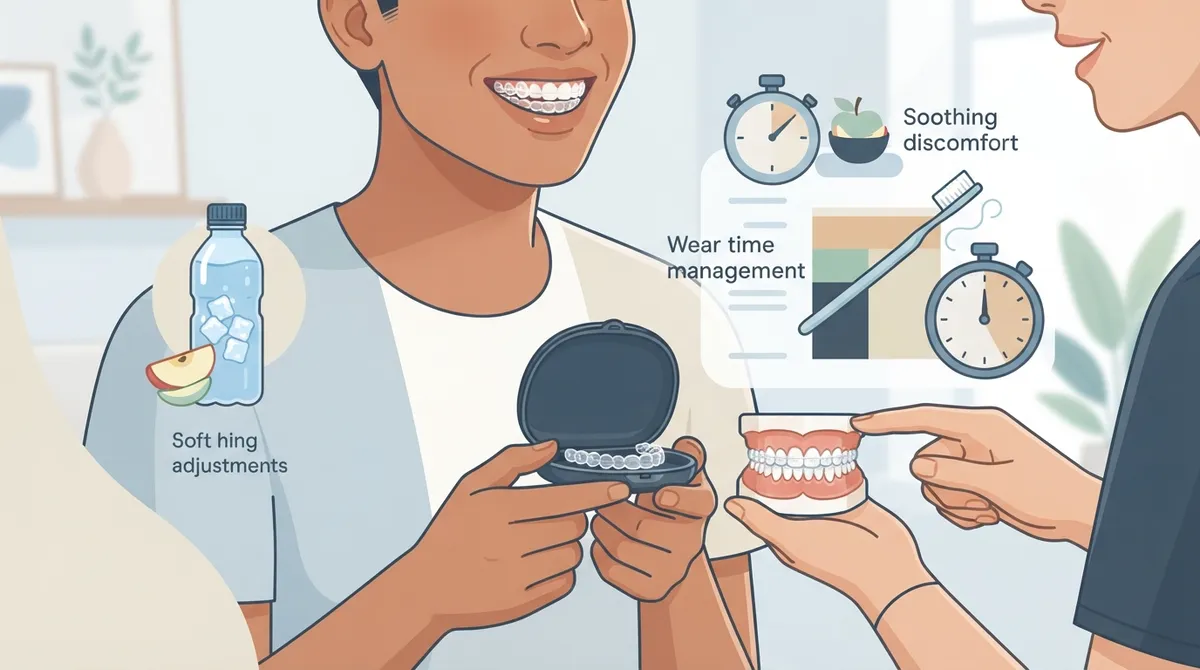
What Are the Most Common Invisalign Side Effects?
Let's start with the basics. Invisalign moves your teeth using a series of custom clear trays. Because teeth are shifting position, your mouth needs time to adjust. This adjustment period causes most of the side effects people notice.
- Mild soreness or pressure, especially with a new set of aligners
- Temporary speech changes, like a slight lisp
- Irritation on the gums, cheeks, lips, or tongue from aligner edges
- Dry mouth or extra saliva production
- Increased risk of cavities if teeth aren't cleaned well under the trays
- Rare jaw discomfort or TMJ flare-ups
Most patients say these side effects fade within a few days of starting a new tray. Your mouth is simply learning to work with something new, kind of like breaking in a new pair of shoes.
Why Do Invisalign Aligners Cause Soreness and Pressure?
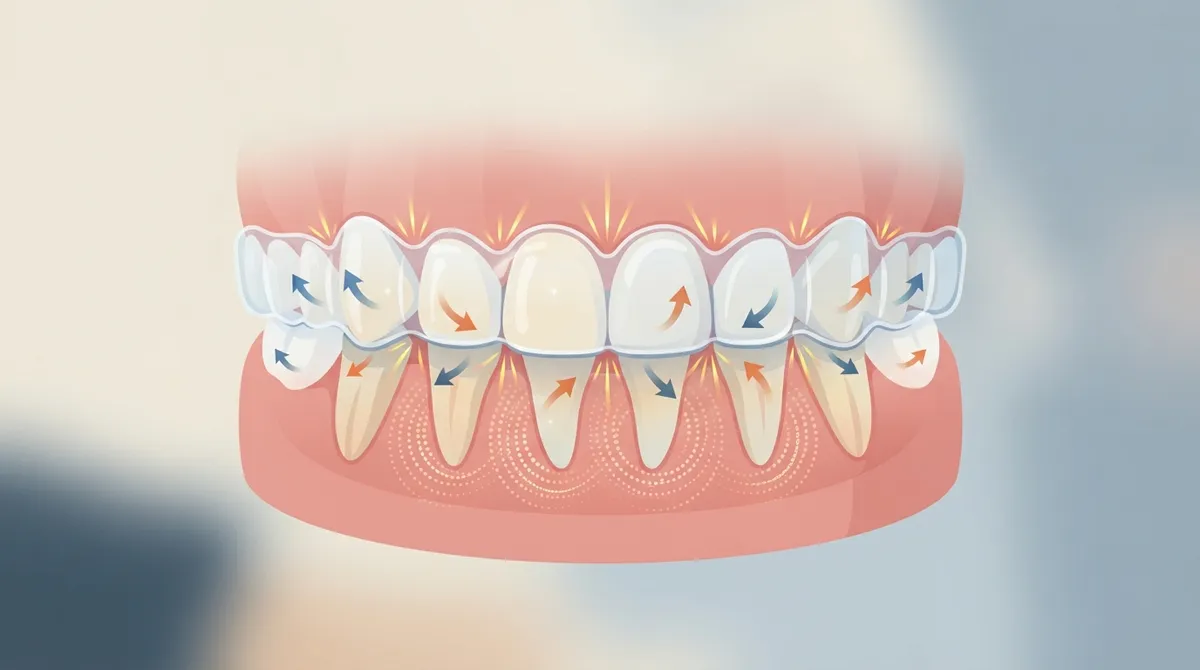
Soreness happens because the aligners are doing their job. Each tray is designed to shift your teeth just slightly, and that gentle pressure is what creates a straighter smile over time. When you switch to a new tray, usually every one to two weeks, your teeth feel that pressure all over again.
This is completely normal and actually a good sign. It means your treatment is working. Most patients describe it as a dull ache or tightness, not sharp pain. If you ever feel sharp or severe pain, that's different and worth a call to your dentist.
How Long Does Invisalign Pain Really Last?
Typically, soreness peaks within the first one to three days after inserting a new aligner. After that, it fades as your teeth settle into their new position. By the end of the week, most people feel back to normal until the next tray change.
Here's a simple timeline many patients experience:
- Day 1: Noticeable pressure and tightness when you first put in the new tray
- Day 2-3: Soreness peaks, especially when chewing
- Day 4-5: Discomfort starts fading
- Day 6-7: Mouth feels adjusted and comfortable until the next switch
If soreness lasts much longer than a week or feels unusually intense, it's worth checking in with your dental team.
Can Invisalign Affect Your Speech?
Yes, and this one surprises a lot of new patients. Because the aligners are custom-fitted plastic trays, they can slightly change how your tongue moves against your teeth. This sometimes causes a temporary lisp, especially with words that use the letter "S."
The good news is that this usually resolves within a week or two as your tongue and mouth muscles adapt. Reading out loud or practicing tricky words can help speed up the adjustment. Most patients say by the second week, nobody even notices a difference.
Gum, Cheek, and Tongue Irritation: What to Know
Sometimes the edges of the aligner can rub against soft tissue in your mouth. This can cause small irritation spots on your gums, inner cheeks, or tongue. It's uncomfortable but usually not serious.
Here are a few tips that can help:
- Use dental wax on any rough aligner edges that keep rubbing
- Rinse with warm salt water to soothe irritated areas
- Let your dentist know if an edge feels sharp so it can be smoothed
- Avoid picking at sore spots, which can slow healing
If irritation doesn't improve after a few days, or if you notice swelling, it's time to reach out to your dental team for a quick check.
Does Invisalign Cause Dry Mouth or Bad Breath?
It can, actually. Wearing aligners for 20 to 22 hours a day changes how saliva moves around your mouth. Since aligners cover your teeth, some patients notice their mouth feels drier than usual, especially overnight.
Dry mouth can also contribute to bad breath if bacteria build up under the trays. The fix is simple: drink plenty of water, clean your aligners regularly, and brush and floss before putting trays back in after meals. This keeps both your breath and your smile fresh.
Rare But Important Invisalign Complications
While most side effects are mild, it helps to know about the rarer ones too. According to dental research, these are uncommon but have been reported in clear aligner treatment:
- Allergic reactions to aligner materials
- Jaw pain or TMJ flare-ups from prolonged wear
- Root resorption, which is a rare shortening of the tooth root
- Serious reactions like throat swelling or difficulty breathing (extremely rare)
These situations are uncommon, but if you ever notice swelling, difficulty breathing, or unusual reactions, seek care right away. This is one reason working with an experienced provider matters so much. At Charming Smiles of Ocoee, Dr. Aliuska Lopez and her team monitor your progress closely throughout treatment to catch any concerns early.
Invisalign Side Effects Compared: Mild vs. Rare
| Side Effect | How Common | Typical Duration |
|---|---|---|
| Tooth soreness or pressure | Very common | 1-7 days per new tray |
| Temporary lisp | Common | 1-2 weeks |
| Gum or cheek irritation | Common | A few days |
| Dry mouth | Common | Throughout treatment, improves with hydration |
| Jaw pain or TMJ symptoms | Uncommon | Varies, needs evaluation |
| Allergic reaction | Rare | Requires immediate dental care |
| Root resorption | Rare | Monitored over full treatment |
How to Reduce Invisalign Side Effects
You don't have to just tough it out. There are plenty of ways to make your Invisalign experience more comfortable from day one.
- Switch to new aligners at night before bed, so soreness peaks while you sleep
- Use over-the-counter pain relief if soreness is bothersome
- Apply dental wax to smooth rough aligner edges
- Stay hydrated to combat dry mouth
- Clean your aligners daily to prevent bacteria buildup
- Stick to your wear schedule, since removing trays too often can prolong treatment and discomfort
- Keep up with regular checkups so your provider can adjust your plan if needed
Following these steps can make a real difference in how smooth your treatment feels week to week.
Good Oral Hygiene Matters More Than Ever
Because Invisalign trays cover your teeth for most of the day, food particles and bacteria can get trapped underneath if you're not careful. This raises the risk of cavities and gum disease if hygiene habits slip.
Make it a habit to brush and floss before putting your aligners back in after every meal or snack. It only takes a few extra minutes, but it protects your smile throughout treatment. Our team can also walk you through the best cleaning routine for your Invisalign journey during your visits.
When Should You Call Your Dentist About Invisalign Side Effects?
Most side effects are nothing to worry about, but a few signs mean it's time to reach out:
- Pain that doesn't improve after a week
- Sores that won't heal or seem infected
- Signs of an allergic reaction, like swelling or rash
- Jaw pain that feels severe or doesn't go away
- Any trouble breathing or swallowing (seek emergency care immediately)
If you ever feel unsure, it's always better to call. Our friendly team is happy to answer questions between visits, and we offer emergency dentistry support if something urgent comes up.
Why Choosing the Right Provider Makes a Difference
Not all Invisalign experiences are the same. A skilled provider checks your fit carefully, monitors your progress, and catches small issues before they grow. Dr. Aliuska Lopez, known around Ocoee as a true smile expert, takes this personal approach with every patient.
At Charming Smiles of Ocoee, we combine advanced technology with a relaxing, spa-like environment near Publix in Ocoee. Patients dealing with dental anxiety often tell us how much calmer they feel here compared to other offices. We want every part of your Invisalign journey, including managing side effects, to feel supported and stress-free.
Curious what real patients say? You can visit us on Google — Charming Smiles of Ocoee to read reviews from families and adults across Ocoee. You can also check out our Charming Smiles Facebook page or Charming Smiles Instagram page for smile transformations and helpful tips.
Invisalign Side Effects vs. Traditional Braces
Many patients choose Invisalign specifically because it tends to cause fewer irritation issues than metal braces. There are no wires or brackets poking your cheeks, and cleaning is much easier since you can remove the trays. That said, both options involve an adjustment period as teeth shift.
According to the American Dental Association, any orthodontic treatment involves some discomfort as teeth move, but working closely with your dental team helps manage it effectively. This is part of why routine check-ins matter so much during Invisalign treatment.
Making the Most of Your Free Invisalign Consultation
If you're still deciding whether Invisalign is right for you, a consultation is the perfect place to start. During your visit, we'll examine your teeth, discuss your goals, and explain exactly what side effects you might expect based on your specific case.
Right now, Charming Smiles of Ocoee offers a free Invisalign consultation, plus $200 off treatment for new patients. This is a great time to explore your options for a straighter, more confident smile. You can also learn more in our related read, 7 Things You Need to Know About Invisalign in 2026, for even more helpful details.
Final Thoughts on Invisalign Side Effects
Invisalign side effects are almost always mild, short-lived, and totally manageable. A little soreness or a few days of getting used to speaking with trays in is a small price for a straighter smile that lasts a lifetime. And with an experienced team monitoring your treatment, rare complications become even less likely.
Ready to get started or have questions about what to expect? Reach out to call us at (407) 378-3704 or explore our location to plan your visit. You can also book online whenever it's convenient for you. Our team at Charming Smiles of Ocoee is here to guide you through every step of your Invisalign journey, comfortably and confidently.
FAQs
Q: What are the most common Invisalign side effects?
A: The most common side effects are mild tooth soreness, pressure when switching to a new tray, and slight speech changes like a temporary lisp. Most of these fade within the first week of wearing each new aligner. It's honestly a great sign your treatment is working!
Q: How long does Invisalign pain last?
A: Soreness usually peaks in the first one to three days after starting a new tray, then fades by the end of the week. If discomfort lingers much longer than that, give our team a call so we can take a look.
Q: Can Invisalign cause headaches or jaw pain?
A: It's possible, especially if your bite is adjusting or trays fit a bit differently than expected. Jaw discomfort is uncommon, but if it feels persistent or severe, it's worth scheduling a checkup so we can make sure everything is on track.
Q: Does Invisalign cause dry mouth or bad breath?
A: Yes, some patients notice dry mouth since the trays change saliva flow throughout the day. Staying hydrated and cleaning your aligners regularly helps keep both your mouth and breath feeling fresh.
Q: Can Invisalign cause gum irritation or mouth sores?
A: Sometimes the edges of a new aligner can rub against your gums, cheeks, or tongue. Dental wax and warm salt water rinses usually help, and our team can smooth any rough spots if needed.
Q: Are allergic reactions to Invisalign possible?
A: They're rare, but they can happen with the plastic materials used in aligners. If you notice swelling, rash, or unusual irritation, reach out to us right away so we can help.
Our Service Area
iframe src="https://maps.google.com/maps?q=Ocoee%2C%20FL&z=11&output=embed" width="100%" height="450" style="border:0;" loading="lazy" referrerpolicy="no-referrer-when-downgrade" title="Our Service Area">/iframe>