How to Replace Missing Teeth With an Implant-Supported Bridge
Learn how an implant-supported bridge replaces multiple missing teeth with a fixed, natural-looking solution from Charming Smiles of Ocoee.
Key Takeaways
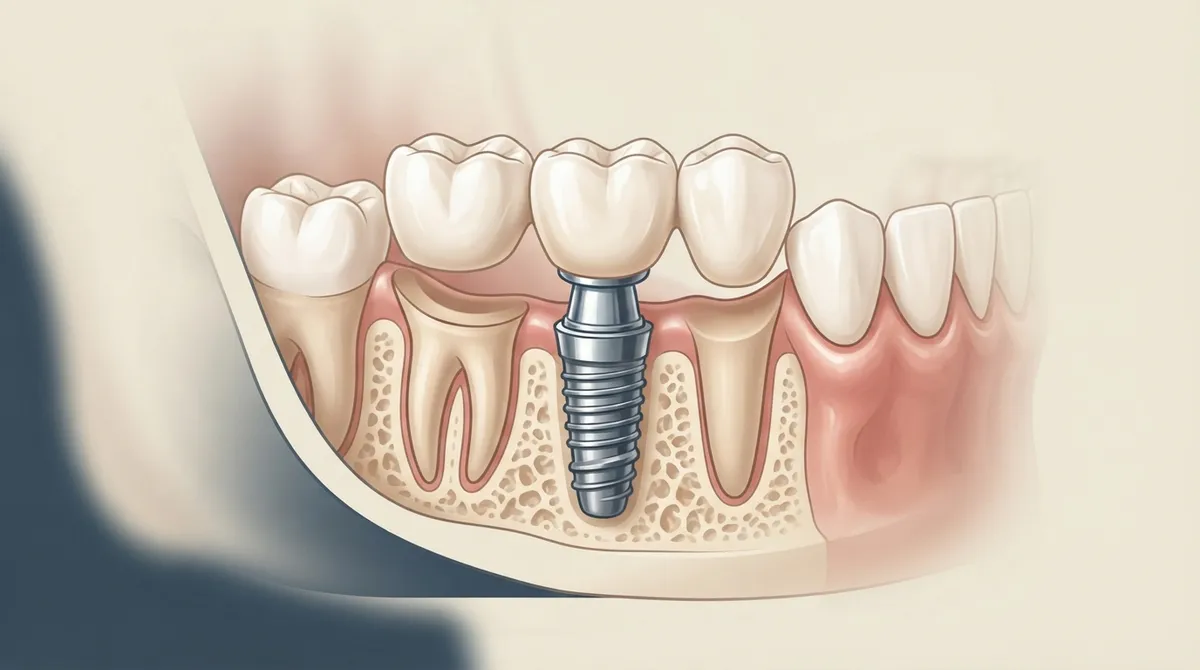
- Implant-supported bridges preserve healthy teeth by anchoring to dental implants rather than requiring adjacent natural teeth to be shaped and crowned, making it a more conservative option than traditional bridges.
- The treatment typically requires only two implants to support a bridge replacing three teeth, and the entire process takes 3-6 months mostly due to jawbone healing and osseointegration before the bridge is placed.
- Implant-supported bridges stimulate jawbone density like natural tooth roots, preventing bone loss that occurs with removable dentures or traditional bridges, and last many years with proper daily care and regular dental checkups.
- Recovery after implant surgery is usually manageable with mild swelling for a few days, soft food recommendations initially, and gradual return to normal eating habits as the implant integrates with the jawbone.
Missing several teeth in a row can feel discouraging, but you have more options than you might think. An implant-supported bridge is one of the most reliable ways to replace multiple missing teeth at once. It gives you a fixed, natural-looking smile that doesn't rely on your remaining teeth for support. If you're in Ocoee and wondering whether this treatment is right for you, this guide will walk you through everything step by step.
At Charming Smiles of Ocoee, Dr. Aliuska Lopez and her team help patients understand every option before choosing a treatment. Whether you're missing three teeth or more, knowing how an implant-supported bridge works can help you make a confident decision about your smile.
What Is an Implant-Supported Bridge?
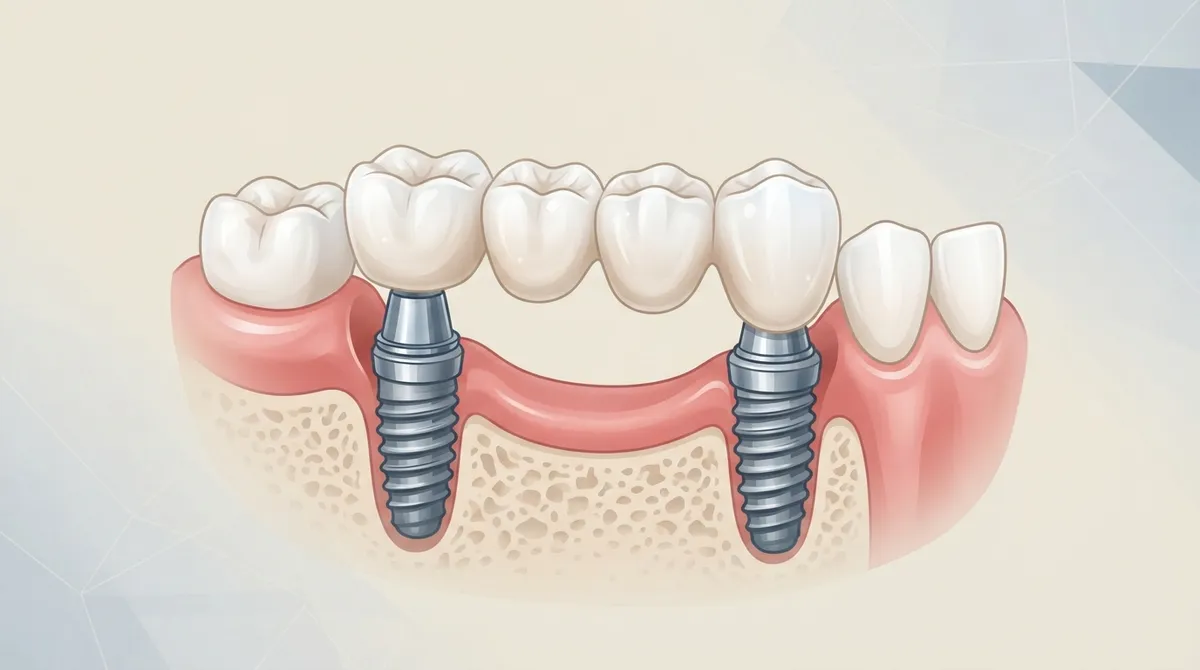
An implant-supported bridge is a dental restoration that replaces multiple missing teeth in a row. Instead of attaching to your natural teeth like a traditional bridge, it anchors to dental implants placed in your jawbone. These implants are usually small titanium posts that act like new tooth roots.
According to the Cleveland Clinic, this type of bridge is commonly recommended when a patient has three or more missing teeth in a row. Because the bridge rests on implants instead of nearby teeth, your healthy teeth don't need to be filed down or crowned. This makes it a more conservative option compared to some older bridge designs.
How It Differs From a Traditional Bridge
A traditional bridge uses your natural teeth on either side of the gap as anchors. The dentist shapes those teeth and places crowns over them to hold the bridge in place. This means healthy teeth get altered, even if they never had a problem before.
An implant-supported bridge skips that step completely. The implants themselves hold the bridge steady. This protects your remaining natural teeth and often leads to a longer-lasting result. Many patients also say implant-supported bridges feel more like their own teeth when biting and chewing.
Who Needs an Implant-Supported Bridge?
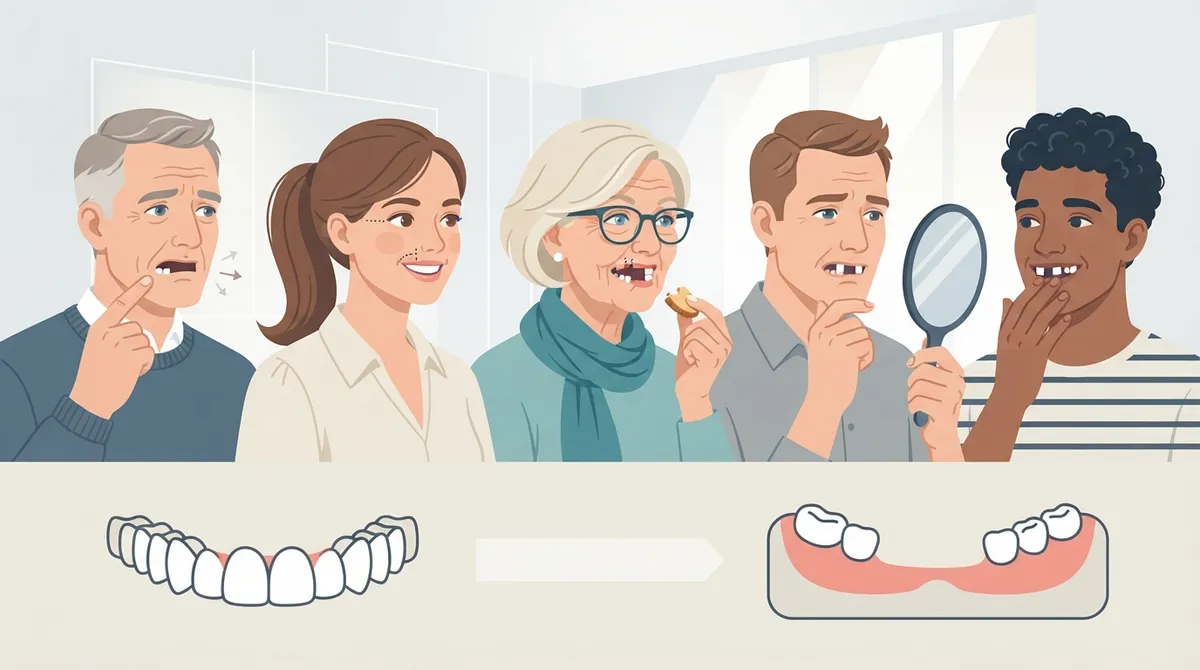
This treatment works well for people missing several teeth in the same area of the mouth. Some common situations include:
- Losing three or more teeth in a row due to decay or injury
- Missing teeth from advanced gum disease
- Wanting to avoid crowning healthy teeth next to a gap
- Needing a stronger, more permanent option than a removable partial denture
- Wanting a solution that helps protect jawbone health long term
Some dental offices note that implant-supported bridges can work for gaps of two to four missing teeth, depending on where they are in the mouth. Your dentist will look at your bone health, gum condition, and the number of missing teeth before recommending this option.
How Many Implants Do You Need?
You might assume you need one implant for every missing tooth. Luckily, that's not how it works. A common setup uses two implants to support a bridge that replaces three teeth. This is sometimes called a "2 implants, 3 teeth" configuration.
The exact number of implants depends on a few factors:
- How many teeth are missing in a row
- The strength and density of your jawbone
- Where in the mouth the gap is located
- Whether you're replacing teeth on the top or bottom jaw
- Your bite pattern and how much pressure the bridge will handle
Your dentist will map this out during your consultation. At Charming Smiles of Ocoee, every treatment plan is personalized, so you're not paying for more implants than you actually need.
The Step-by-Step Treatment Process
Getting an implant-supported bridge takes some patience, but the results are worth the wait. Here's what the general process looks like:
- Initial consultation and exam. Your dentist checks your jawbone, gums, and remaining teeth. X-rays or 3D scans help map out the best implant positions.
- Implant placement surgery. Small titanium posts are placed into the jawbone where teeth are missing.
- Healing and osseointegration. This is the period where the implant fuses with your jawbone. It typically takes about three to six months, according to the Cleveland Clinic.
- Abutment placement. Small connector pieces are attached to the implants once healing is complete.
- Bridge fitting and placement. Your custom-made bridge is attached to the abutments, completing your new smile.
While this process takes several months, most of that time is simply healing. You won't need to visit the office constantly. Many patients say the wait is easy compared to how much better their bite feels afterward.
Benefits of Choosing an Implant-Supported Bridge
This treatment offers several advantages that make it worth considering. Here are the biggest benefits patients notice:
- Protects healthy teeth next to the gap from being reshaped
- Feels stable and secure, since it's fixed in place and doesn't come out
- Helps preserve jawbone density by stimulating bone like natural roots do
- Restores a more natural bite and chewing strength
- Looks and feels similar to your natural teeth
- Can last many years with proper care and regular checkups
Because the bridge doesn't need to be removed at night like a denture, it fits easily into your daily routine. You brush and floss around it just like natural teeth, with a few extra care steps your dentist will show you.
Implant-Supported Bridge vs. Other Tooth Replacement Options
It helps to see how this treatment compares to other common choices. The table below breaks down the basics.
| Feature | Implant-Supported Bridge | Traditional Bridge | Removable Partial Denture |
|---|---|---|---|
| Support | Dental implants | Natural teeth | Gums and clasps |
| Affects healthy teeth? | No | Yes, teeth are shaped | No shaping, but clasps add pressure |
| Removable? | No, fixed in place | No, fixed in place | Yes, removed daily |
| Jawbone support | Yes, stimulates bone | No | No |
| Typical timeline | 3-6+ months | 2-3 weeks | 2-4 weeks |
As you can see, an implant-supported bridge takes more time upfront. But it offers benefits that traditional bridges and dentures simply can't match, especially when it comes to jawbone health and long-term stability.
What to Expect During Recovery
Recovery after implant placement is usually manageable for most patients. Here's what typically happens:
- Mild swelling and soreness for a few days after surgery
- Soft foods recommended during the initial healing period
- Over-the-counter or prescribed pain relief as needed
- Follow-up visits to check healing progress
- Gradual return to normal eating habits as the implant integrates
Most patients say the recovery is easier than they expected. Your dental team will give you clear instructions so you know exactly what to do at each stage. If you ever feel unsure or experience unusual pain, don't hesitate to reach out. Our team also offers emergency dentistry support if something feels off after your procedure.
Caring for Your Implant-Supported Bridge
Taking care of your new bridge is simple once you get into a routine. Follow these tips to help it last:
- Brush twice daily, paying close attention to the area under the bridge
- Use floss threaders or a water flosser to clean hard-to-reach spots
- Visit your dentist for regular cleanings and checkups
- Avoid chewing on very hard foods like ice or hard candy
- Wear a nightguard if you grind your teeth at night
Good home care combined with regular professional cleanings can help your implant-supported bridge last for many years. Your dental hygienist will show you exactly how to clean around the implants properly.
Why Choose Charming Smiles of Ocoee
Dr. Aliuska Lopez and her team at Charming Smiles of Ocoee are known for gentle, personalized care in a relaxing, spa-like setting. We understand that dental anxiety is real, and we work hard to make every visit comfortable, from soothing amenities to clear communication about your treatment plan.
We also make treatment more affordable through insurance & financing options, flexible payment plans, and our dental savings plan. Be sure to check our current specials, including a free dental implant consultation and $200 off implant treatment. You can also learn more by exploring our full range of services, including crowns & bridges and dentures for those exploring all their options.
Want to see what other patients say about their experience? You can visit us on Google — Charming Smiles of Ocoee to read real reviews from people right here in Ocoee. You can also follow along on the Charming Smiles Facebook page or check out smile transformations on the Charming Smiles Instagram page for more inspiration.
Frequently Asked Questions About Implant-Supported Bridges
If you still have questions, you're not alone. Many patients want to know more before committing to treatment. Below are some of the most common questions we hear.
Ready to Restore Your Smile?
An implant-supported bridge can give you back your confidence, your bite, and your smile. If you're missing several teeth in a row, this treatment might be exactly what you need. Our friendly team is here to answer your questions and guide you through every step.
Ready to find out if you're a good candidate? Reach out today to call us at (407) 378-3704 or stop by our location in Ocoee, conveniently near Publix. You can also book online to schedule your free consultation. We can't wait to help you smile with confidence again.
FAQs
Q: What is an implant-supported bridge in dentistry?
A: It's a fixed dental restoration that replaces several missing teeth in a row by anchoring to dental implants instead of your natural teeth. Think of it as a bridge that gets its support from titanium posts in your jawbone rather than nearby teeth. It's a wonderful option if you want a stable, long-lasting smile without altering healthy teeth.
Q: How is an implant-supported bridge different from a traditional dental bridge?
A: A traditional bridge relies on your natural teeth for support, which means those teeth get shaped and crowned. An implant-supported bridge skips that step entirely by using implants instead. This protects your healthy teeth and often gives you a sturdier, longer-lasting result.
Q: How many implants are needed for an implant-supported bridge?
A: It really depends on your situation, but a common setup uses two implants to support a bridge replacing three teeth. Your dentist will look at your jawbone strength, the number of missing teeth, and their location before deciding the right number for you. We'll walk you through this during your consultation so there are no surprises.
Q: How long does it take to get an implant-supported bridge?
A: The full process usually takes about three to six months, mostly because your jawbone needs time to heal and bond with the implants. This healing stage, called osseointegration, is what makes the final bridge so stable. It might feel like a long wait, but most patients agree it's worth it for such a durable result.
Q: How much does an implant-supported bridge cost?
A: Costs vary based on how many implants you need and the complexity of your case. The good news is we offer flexible financing, payment plans, and a free implant consultation to help make treatment more affordable. Our team will walk you through your options so you feel comfortable with your investment.