Invisalign for Underbite: Can Clear Aligners Fix It?
Discover how Invisalign for underbite correction works, who qualifies, treatment timelines, and why Charming Smiles of Ocoee is Ocoee's trusted choice.
Key Takeaways
- Invisalign is most effective for mild to moderate dental underbites where teeth are misaligned; severe skeletal underbites typically require jaw surgery combined with aligners or traditional braces.
- Treatment timeline varies significantly: mild cases take 3-6 months, moderate cases 12-18 months, and complex cases up to 24 months, with compliance being the single biggest factor in success.
- Elastics (small rubber bands) are frequently required alongside aligners to apply extra force for jaw alignment, and skipping their use can slow or stall progress significantly.
- Aligners must be worn 20-22 hours daily for effectiveness; removing them too often can undo previous progress and extend treatment timelines considerably.
- Retainer wear after treatment is essential to prevent relapse; full-time wear for several months followed by nightly wear maintains the corrected bite long-term.
- Digital 3-D scans and X-rays are necessary to distinguish between dental underbites (tooth misalignment) and skeletal underbites (jawbone structure issues) before determining the appropriate treatment approach.
If you look in the mirror and notice your bottom teeth sit in front of your top teeth, you might have an underbite. Maybe you've been told braces are your only option. Good news: many patients in Ocoee are surprised to learn that Invisalign for underbite correction is often a real, comfortable choice. At Charming Smiles of Ocoee, we help patients understand exactly what clear aligners can do for their unique smile, without the metal and wires many people dread.
This guide walks you through how Invisalign works for underbites, who makes a good candidate, and what to expect from start to finish. We'll also cover timelines, costs, and the small tools (like elastics) that often make treatment successful. By the end, you'll know if this gentle option could be right for you or someone you love.
What Is an Underbite, Exactly?
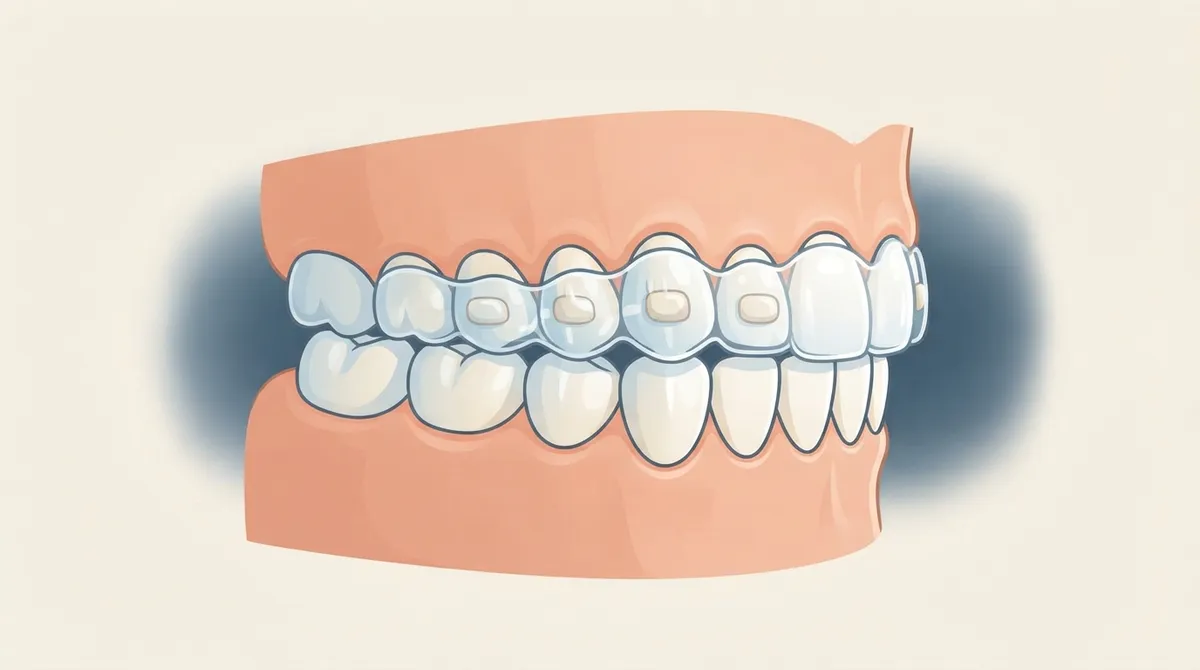
An underbite happens when your lower teeth or jaw stick out further than your upper teeth. It's the opposite of an overbite. Some people have a mild underbite that's barely noticeable. Others have a more visible shift that affects chewing, speech, or even facial appearance.
Underbites generally fall into two categories, and knowing the difference matters a lot when it comes to treatment options.
Dental Underbite vs Skeletal Underbite
A dental underbite happens when the teeth are misaligned, but the jawbone itself is normal. This type is usually caused by how the teeth grew in or shifted over time. It's the type Invisalign handles best.
A skeletal underbite is different. Here, the lower jawbone has grown too far forward, or the upper jaw hasn't grown enough. This is a structural issue, not just a tooth alignment problem.
- Dental underbite: teeth are crowded or tipped, jaw bones are normal size
- Skeletal underbite: jawbone itself is too long, short, or misaligned
- Mixed cases: some patients have a bit of both issues happening together
- Only a dentist or orthodontist can tell you which type you have
During your dental services consultation, Dr. Lopez will use digital scans and X-rays to figure out which type you're dealing with. This step is key before starting any treatment plan.
Can Invisalign Fix an Underbite?
Yes, in many cases. Invisalign is most effective for mild to moderate dental underbites. Since the misalignment comes from tooth position rather than jaw structure, clear aligners can gently guide teeth back into proper alignment over time.
For severe skeletal underbites, Invisalign alone usually isn't enough. These cases often need a combination of aligners and jaw surgery, called orthognathic surgery, to fully correct the bite. Traditional braces might also be recommended alongside or instead of Invisalign for these more complex situations.
How Invisalign Corrects Dental Underbites
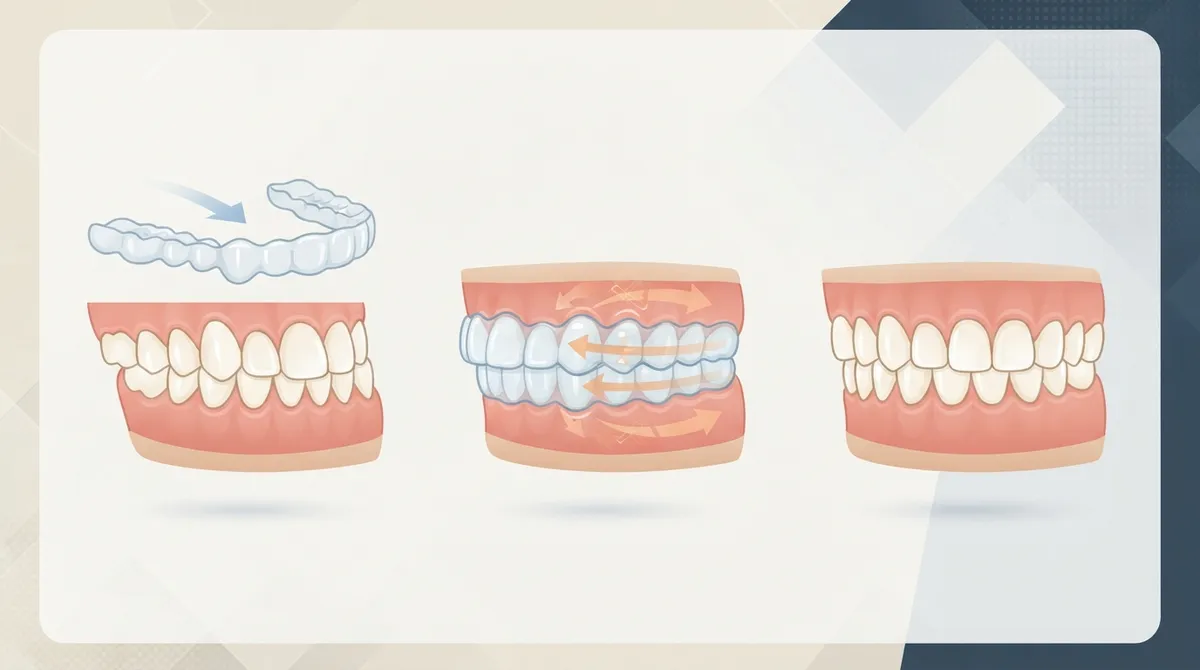
Invisalign aligners work by applying gentle, steady pressure on your teeth. Each new tray in your series shifts your teeth just a little more toward their ideal position. For underbite correction, this often means moving the lower teeth backward and the upper teeth forward.
- Your dentist takes a 3-D digital scan of your mouth to map out your treatment plan
- You see a digital preview of your predicted results before treatment even begins
- A custom series of clear aligners is created based on that plan
- You wear each tray for about one to two weeks, switching to the next in the series
- Small attachments or elastics may be added to help move the jaw into better alignment
- Regular checkups every 6 to 8 weeks track your progress and make adjustments
- Once treatment ends, a retainer keeps your new bite stable long term
This step-by-step process is one reason so many patients love Invisalign treatment. It's predictable, transparent, and far more comfortable than most people expect.
The Role of Elastics in Underbite Treatment
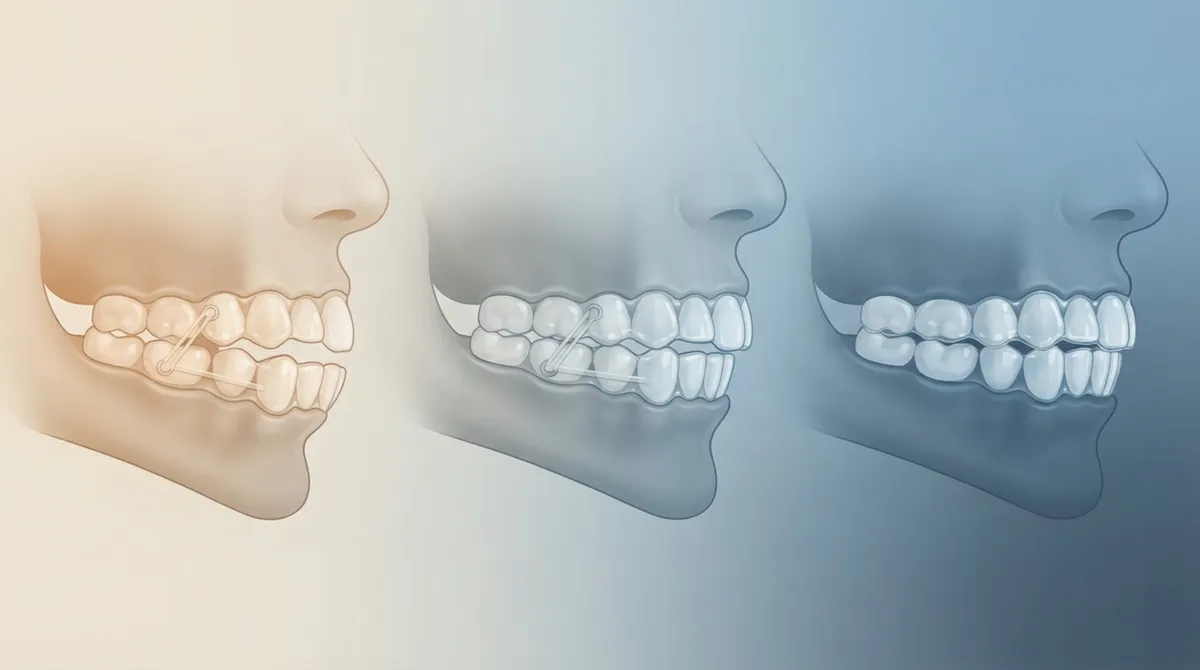
Here's something many patients don't expect: fixing an underbite with Invisalign often involves more than just the trays. Small rubber bands, called elastics, are frequently used alongside your aligners.
These elastics attach to small composite buttons placed on specific teeth. They apply extra force to help shift the jaw and bite into better alignment. Without them, some underbite cases simply wouldn't move in the right direction.
- Elastics are usually worn full-time, similar to the aligners themselves
- They connect upper and lower teeth to guide jaw movement
- Your dentist will show you exactly how to attach and remove them
- Skipping elastic wear can slow down or stall your progress
- Most patients get used to them within the first week or two
How Long Does Invisalign Take for an Underbite?
Treatment time depends heavily on how severe your underbite is. Mild cases move faster. Complex cases take longer and may require more patience.
| Underbite Severity | Estimated Treatment Time | Typical Approach |
|---|---|---|
| Mild dental underbite | 3 to 6 months | Invisalign aligners alone |
| Moderate underbite | 12 to 18 months | Invisalign with elastics or attachments |
| Complex or skeletal underbite | Up to 24 months or more | Invisalign combined with surgery or braces |
Most Invisalign patients overall finish treatment in about one year. But bite corrections, including underbites, can stretch closer to two years depending on complexity. A study published by the American Journal of Orthodontics and Dentofacial Orthopedics confirmed that clear aligners are highly predictable for minor to moderate tooth movements, which is encouraging news for underbite patients considering this option.
What Patient Compliance Really Means
Invisalign only works if you wear it as directed. This is the single biggest factor in how well, and how fast, your underbite gets corrected.
The 20 to 22 Hour Rule
Your aligners need to stay in your mouth for 20 to 22 hours every day. That leaves room for meals and brushing your teeth, but not much else. Taking them out too often, or for too long, slows down your treatment and can even undo progress you've already made.
- Wear your aligners all day and night, except when eating or drinking anything besides water
- Remove them to brush and floss after meals before putting them back in
- Store them in their case when not in your mouth, never in a napkin or pocket
- Switch to your next tray on schedule, even if you feel tempted to wait
- Keep every checkup appointment so your dentist can catch small issues early
If you're worried about remembering to wear your aligners enough, don't stress. Our team at Charming Smiles of Ocoee will give you tips and reminders to help you stay on track. We know busy Ocoee families and professionals have a lot going on, so we make compliance as easy as possible.
Life After Treatment: Retainers Matter
Once your underbite is corrected, the work isn't quite finished. Your teeth and jaw need time to settle into their new positions. Without a retainer, teeth can slowly drift back toward their old alignment.
- Retainers are typically worn full-time for the first few months after treatment
- After that, nightly wear is usually enough to maintain results
- Skipping retainer wear is one of the top reasons underbites relapse
- Your dentist will custom-fit your retainer based on your finished smile
Is Invisalign as Effective as Braces for Underbites?
For mild to moderate dental underbites, Invisalign can be just as effective as traditional braces. The clear aligners are discreet, removable, and generally more comfortable. However, for severe skeletal underbites, braces combined with surgery may still be the better path.
The best way to know which option fits your situation is a personal consultation. Every mouth is different, and what works well for one patient might not be the right fit for another.
Why Choose Charming Smiles of Ocoee for Your Underbite Treatment
Dr. Aliuska Lopez has built a reputation as a true smile expert here in Ocoee. She takes the time to explain your options clearly, without rushing or overwhelming you with dental jargon. Our spa-like office includes soothing music, cozy blankets, and a calm atmosphere designed for patients who feel nervous about dental visits.
We also make treatment more affordable. Right now, we're offering a free Invisalign consultation and $200 off your treatment plan. We accept many major insurance providers, including Delta Dental, Cigna, Aetna, and more. If you don't have insurance, ask us about our dental savings plan or flexible insurance & financing options through CareCredit, Alphaeon, and Cherry Financing.
Curious what other patients think? You can visit us on Google — Charming Smiles of Ocoee to read real reviews from people just like you. You can also check out our Charming Smiles Facebook page or follow us on our Charming Smiles Instagram page for smile transformation photos and patient stories.
Getting Started With Invisalign for Underbite Correction
The first step is always a consultation. During this visit, Dr. Lopez will examine your bite, take digital scans, and explain whether Invisalign alone will work or if additional treatment is needed.
- Schedule your free Invisalign consultation with our friendly team
- Get a 3-D scan so you can preview your future smile before committing
- Review your custom treatment plan, timeline, and cost estimate
- Start wearing your aligners and begin your journey to a corrected bite
- Attend regular checkups so we can track your progress along the way
You can also book online at a time that works best for your schedule. According to the National Institute of Dental and Craniofacial Research, untreated bite issues can contribute to jaw strain and uneven tooth wear over time, which is one more reason early treatment matters.
Your Next Step Toward a Balanced Smile
An underbite doesn't have to hold you back from feeling confident about your smile. With modern Invisalign technology and a caring team behind you, correcting a dental underbite is more comfortable and convenient than ever. Whether your case is mild or a bit more complex, we'll help you understand your best path forward.
Ready to see if Invisalign is right for your underbite? Call us at (407) 378-3704 today to schedule your free consultation, or stop by our location near Publix in Ocoee. Our team is ready to help you love your smile again.
FAQs
Q: Can Invisalign fix a severe underbite without surgery?
A: Usually not on its own, sweet friend. Severe skeletal underbites involve the jawbone itself, so Invisalign typically needs to be paired with jaw surgery for the best results. Mild to moderate dental underbites, though, often respond beautifully to aligners alone.
Q: How long does Invisalign take to fix an underbite?
A: It really depends on how tricky your bite is. Mild cases might wrap up in just 3 to 6 months, moderate cases usually take 12 to 18 months, and more complex situations can stretch toward 24 months. Your dentist will give you a personalized timeline at your consultation.
Q: Do you need elastics with Invisalign for an underbite?
A: Many patients do, and that's totally normal! Small rubber bands help guide your jaw and teeth into their ideal position, working alongside your aligners. Your dentist will show you exactly how to use them so they become second nature quickly.
Q: What happens if I don't wear my Invisalign aligners for 22 hours a day?
A: Your treatment can slow down or even shift backward if aligners aren't worn enough. Think of it like consistency being the secret ingredient to success. We promise it gets easier once wearing them becomes part of your daily routine.
Q: Do I need a retainer after Invisalign for an underbite?
A: Yes, absolutely, and this step is so important. Retainers keep your beautifully corrected bite from shifting back to where it started. Most patients wear them nightly after the first few months, and it becomes just another simple part of your routine.
Our Service Area
iframe src="https://maps.google.com/maps?q=Ocoee%2C%20FL&z=11&output=embed" width="100%" height="450" style="border:0;" loading="lazy" referrerpolicy="no-referrer-when-downgrade" title="Our Service Area">/iframe>